(And What the Science Actually Says)
Aging is inevitable—but how fast we age, and how well we function as we get older, is far more flexible than once believed. While we can’t reverse our chronological age, research increasingly shows that we can influence our biological age—the idea of how old our cells, tissues, and systems truly behave.
Decades of human studies, large data sets, and public health research point to a clear conclusion: lifestyle factors strongly affect the aging process at the cellular level, influencing inflammation, gene expression, metabolic health, and risk for age-related diseases.
Below are 9 powerful, science-backed ways to reverse aspects of aging, meaningfully slow aging, and promote longevity—grounded in solid evidence, not experimental medicine.
1. Exercise Regularly to Preserve Muscle, Heart, and Brain Health

Image from Tally Health
Regular exercise is one of the most effective interventions to reverse aging markers and reduce all-cause mortality.
Research suggests that people who exercise regularly show:
Lower indicators of biological age compared to sedentary peers
Reduced risk of cardiovascular disease and heart disease
Better insulin sensitivity and blood glucose control
Preservation of muscle mass and bone density
Slower cognitive decline and improved cognitive performance
Both resistance training and aerobic exercise matter. Strength training helps counter age-related muscle loss (sarcopenia), while cardio improves blood pressure, cholesterol levels, and vascular health. Flexibility and balance work are also helpful.
Even modest activity significantly improves overall health, especially in older adults.
2. Eat a Healthy Diet That Supports Longevity

Image from Tally Health
Diet strongly affects aging through inflammation, oxidative damage, and metabolic regulation.
A healthy diet linked to longer life expectancy typically includes:
Whole grains
Extra-virgin olive oil
Oily fish rich in omega-3s (e.g., salmon, sardines, and mackerel)
Vegetables and fruit
Adequate dietary protein
Minimal or no ultra-processed foods
Numerous studies show that Mediterranean-style eating patterns reduce the risk of chronic disease, cardiovascular disease, Alzheimer’s disease, and other age-related conditions.
This type of diet supports healthier blood pressure, cholesterol levels, and body weight—key drivers of biological aging.
3. Maintain Muscle Mass and Bone Health

Image from Tally Health
Loss of muscle mass and bone density accelerates the aging process and increases the risk of falls, fractures, and loss of independence in old age.
Preserving lean mass:
Supports glucose control and insulin sensitivity
Helps regulate body fat and body weight
Protects bone health and reduces fracture risk
Improves mobility and general health
Resistance training, adequate dietary protein, and sufficient micronutrients (including vitamin D and calcium) all play a role in slowing age-related decline.
4. Optimize Sleep to Protect Brain and Metabolic Health

Image from Tally Health
Sleep is not passive recovery—it is active biological repair.
Poor sleep is associated with:
Increased inflammatory markers
Reduced growth hormone release
Accelerated cognitive decline and memory loss
Higher risk of heart disease and Alzheimer’s disease
Studies suggest that consistent, high-quality sleep improves cognitive function, metabolic health, and emotional regulation. Sleep also influences gene expression involved in cellular repair and immune defense.
Sleep deprivation, by contrast, has clear detrimental effects on long-term health.
5. Reduce Chronic Inflammation

Image from Tally Health
Chronic low-grade inflammation (also known as inflammaging) is a central driver of aging and age-related diseases.
Elevated inflammatory markers are linked to:
Cardiovascular disease
Type 2 diabetes
Neurodegeneration
Cancer risk
Accelerated biological aging
Reducing inflammation through diet, exercise, sleep, stress management, and targeted supplementation can slow aging at the cellular level and improve overall health.
6. Support Metabolic Health and Glucose Control

Image from Tally Health
Blood glucose regulation plays a critical role in how fast we age.
Poor insulin sensitivity and chronically elevated blood glucose increase:
Oxidative damage
Cardiovascular risk
Cognitive decline
Risk of chronic disease
Lifestyle strategies such as regular exercise, balanced meals, adequate protein, and time-restricted eating or intermittent fasting have been shown in human studies to improve metabolic flexibility and reduce age-related risk.
7. Protect Your Skin from UV Damage

Image from Tally Health
Skin aging is one of the most visible signs of aging—but it’s also deeply biological.
Excessive exposure to UV rays:
Damages skin cells and DNA
Accelerates oxidative damage
Increases the risk of skin cancer
Disrupts collagen and hyaluronic acid balance
Wearing sunscreen daily, avoiding tanning beds, and limiting direct UV exposure protect not just appearance, but cellular integrity and long-term health.
8. Address Bad Habits That Accelerate Aging

Image from Tally Health
Smoking, excessive alcohol use, chronic stress, and prolonged sedentary behavior all accelerate the ageing process.
These bad habits are associated with:
Increased risk of heart disease and cancer
Faster cognitive decline
Reduced bone density
Higher inflammatory burden
Removing or reducing these behaviors has measurable benefits on indicators of biological age—even later in life.
9. Use Targeted Supplementation to Support Cellular Health

Image from Tally Health
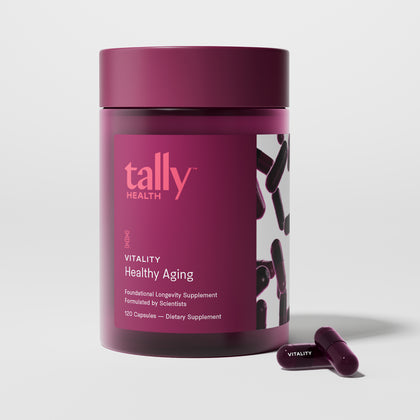
While no supplement can stop aging, some have solid evidence for supporting longevity-related pathways when combined with healthy lifestyle habits.
Supplements may help:
Reduce oxidative stress
Support mitochondrial function
Improve metabolic and inflammatory markers
Influence gene expression related to aging
Clinical use should be guided by individual data, including blood tests, health history, and risk factors. Supplementation works best as part of a broader strategy to promote longevity—not as a standalone solution.
Can You Really Reverse Aging?

Image from Tally Health
You cannot reverse your chronological age. But research increasingly shows that you can:
Slow aging
Improve indicators of biological age
Reduce risk of age-related diseases
Improve cognitive function, cardiovascular health, and physical performance
Extend healthspan, not just lifespan
In other words, aging is not just about years lived—it’s about how well your body functions over time.
The Takeaway

Image from Tally Health
The most powerful ways to reverse aging are not extreme or experimental. They are rooted in decades of human studies and public health research.
Exercise regularly. Eat a healthy diet. Sleep well. Reduce inflammation. Protect your skin. Support metabolic health. Avoid harmful habits. Use supplements wisely.
Healthy aging is not about staying young forever.
It’s about staying capable, resilient, and well—for as long as possible.
At Tally Health, we focus on measurable, science-backed strategies to help you understand your body’s age—and support meaningful improvement over time.
References
Johnson et al. Human age reversal: Fact or fiction?. Aging Cell 2022; https://doi.org/10.1111/acel.13664
Attia. Outlive: The Science and Art of Longevity. Harmony 2023.
Longo et al. Interventions to Slow Aging in Humans: Are We Ready?. Aging Cell 2015; https://doi.org/10.1111/acel.12338
Tosato et al. The aging process and potential interventions to extend life expectancy. Clin Interv Aging 2007; https://pmc.ncbi.nlm.nih.gov/articles/PMC2685272/
Martel et al. Lifestyle interventions to delay senescence. Biomed J 2024; https://doi.org/10.1016/j.bj.2023.100676
Can you really reverse aging?
You cannot reverse your chronological age, but research shows you can slow aging, improve indicators of biological age, reduce age-related disease risk, and extend healthspan through lifestyle factors.
What are the most effective ways to reverse or slow aging naturally?
The most effective, science-backed ways include regular exercise, a healthy diet, quality sleep, reducing chronic inflammation, supporting metabolic health, protecting skin from UV damage, avoiding harmful habits, and using targeted supplementation wisely.
How does exercise help reverse aging?
Regular exercise lowers biological age markers, reduces cardiovascular and heart disease risk, improves insulin sensitivity, preserves muscle mass and bone density, and slows cognitive decline while improving cognitive performance.