Totals exclude applicable state/local taxes. Cart contains recurring purchase. You will be charged $0.00 today and then less applicable discounts every month until cancelled. Contact Tally Support for additional details.
Longevity Biomarkers: Understanding the 12 Hallmarks of Aging
Published:
When we think about aging, we often think in terms of chronological age—the number of candles on a birthday cake. But modern science tells a more nuanced story. Two people born the same year can have very different risks for chronic disease, functional decline, and even all-cause mortality.
The difference lies in an abstract idea known as biological age—how well your body is functioning at a cellular and molecular level.
This is where longevity biomarkers come in.
Longevity biomarkers (also called aging biomarkers) are measurable health indicators that provide valuable insights into your overall health, disease risk, and long-term health trajectory. They help identify underlying processes linked to many age-related diseases—including cardiovascular disease, diabetes, cancer, dementia, and other age-related conditions—often years before symptoms appear.
In this guide, we’ll explore what longevity biomarkers are, how they relate to the 12 hallmarks of aging, and how they can help inform personalized longevity interventions.
What Are Longevity Biomarkers?
Image from Tally Health
A biomarker is a measurable sign of a biological process. Common examples include:
Blood pressure
LDL cholesterol and HDL cholesterol
Total cholesterol
Fasting blood glucose
Inflammatory markers like C-reactive protein
Body mass index (BMI) and waist circumference
Body composition
Telomere length
Muscle mass
Liver enzymes
Other blood markers measured through routine blood tests
These may seem like simple tests—and they are. But when combined with more advanced molecular data and an advanced computational model, algorithm accuracy improves, offering increasingly precise indicators of biological age and future risk.
Researchers at institutions including Harvard Medical School and other leading centers have shown that specific patterns in blood markers and epigenetic data are strongly linked to life expectancy, cardiovascular health, and increased risk of chronic disease.
In other words, biomarkers translate the biology of aging into measurable data.
The 12 Hallmarks of Aging—and How Biomarkers Reflect Them
Image from Tally Health
The “hallmarks of aging” framework, first proposed in 2013 and expanded in 2023, describes the core biological mechanisms that drive aging. Understanding these hallmarks helps explain why certain biomarkers matter.
Let’s break them down in plain language.
1. Genomic Instability
Over time, DNA damage accumulates. Environmental exposures, stress, and normal metabolism can cause mutations.
Linked biomarkers and factors:
Inflammatory markers
Markers of oxidative stress
Certain blood test abnormalities
Genomic instability increases risk for cancer and other age-related diseases.
2. Telomere Attrition
Telomere length shortens as cells divide. Shortened telomeres are associated with increased risk of heart disease, diabetes, and reduced life expectancy.
Telomere length is one of the more well-known aging biomarkers, though it represents only a small part of the broader aging picture.
3. Epigenetic Alterations
Epigenetic changes affect how genes are turned on or off. Epigenetic clocks—based on DNA methylation—are among the most well-known indicators of biological age.
As more data becomes available, algorithm accuracy improves, refining how we estimate aging and mortality risk over a lifetime.
4. Loss of Proteostasis
Cells lose the ability to properly fold and recycle proteins. This contributes to neurodegenerative diseases like Alzheimer’s disease and Parkinson’s disease.
Chronic inflammation and metabolic dysfunction often reflect this process.
5. Disabled Macroautophagy
Autophagy is the body’s cellular cleanup system. When impaired, damaged components accumulate.
Linked factors:
Insulin resistance
Chronic inflammation
Fasting glucose levels
Lifestyle interventions like exercise and dietary adjustments can help support autophagy.
6. Deregulated Nutrient Sensing
Pathways that sense nutrients—such as insulin signaling—become dysregulated.
This is strongly linked to:
Insulin resistance
Fasting glucose
Diabetes
Increased cardiovascular disease risk
These metabolic biomarkers are powerful predictors of long-term health and mortality.
7. Mitochondrial Dysfunction
Mitochondria are little cellular power plants that generate readily usable energy. When mitochondrial function declines, energy production drops and inflammation rises.
This can influence:
Metabolic rate
Muscle mass
Physical function
Overall energy levels
8. Cellular Senescence
Senescent cells stop dividing but don’t die. They release inflammatory compounds that contribute to chronic inflammation.
Chronic inflammation is a common thread linking heart disease, cancer, dementia, metabolic syndrome, and other age-related diseases and conditions.
9. Stem Cell Exhaustion
As stem cell function declines, tissue repair slows. This contributes to skin aging, muscle loss, and impaired healing.
Loss of muscle mass is particularly associated with functional decline and increased mortality risk.
10. Altered Intercellular Communication
Cells communicate through hormones, cytokines, and other signaling molecules. With aging, this communication becomes dysregulated.
Health indicators affected include:
Blood pressure
High blood pressure
Inflammatory markers
Cardiovascular risk factors
11. Chronic Inflammation
Sometimes called “inflammaging,” chronic low-grade inflammation is linked to nearly every major age-related chronic disease.
Elevated inflammatory markers are associated with:
Heart attack
Cardiovascular disease
Cancer
Dementia
Diabetes
All-cause mortality
Reducing inflammation is a major focus of longevity interventions.
12. Dysbiosis (Microbiome Changes)
The gut microbiome shifts with age, influencing immune function, inflammation, and metabolic health.
This can affect:
Insulin resistance
Blood sugar regulation
Liver function
Risk factors for other age-related conditions
How Longevity Biomarkers Translate to Real-World Health
Image from Tally Health
You don’t need to measure every hallmark directly. Instead, blood tests, blood pressure readings, body composition analysis, and epigenetic testing provide practical, accessible proxies.
For example:
High LDL cholesterol and low HDL cholesterol increase risk of heart disease.
Elevated total cholesterol and high blood pressure raise cardiovascular disease risk.
Higher body mass index and unfavorable body composition increase risk factors for chronic disease.
Abnormal liver enzymes can signal metabolic dysfunction.
Individually, these are familiar health indicators. Together, they form a powerful longevity profile.
From Data to Personalized Insights
Image from Tally Health
Raw data alone isn’t enough.
When multiple biomarkers are integrated using advanced modeling, they generate personalized insights about biological aging and future risk. As more biomarkers are added and more data accumulates over time, algorithm accuracy improves—providing increasingly meaningful feedback.
This allows for:
Identification of increased risk before disease develops
Targeted lifestyle interventions
Stress management strategies
Exercise prescriptions
Dietary adjustments
Monitoring response to longevity interventions
Instead of waiting for disease, biomarkers help shift the focus toward prevention and long-term health.
Why This Matters for Public Health and Your Future
Image from Tally Health
Most chronic diseases develop slowly over decades. By the time symptoms appear, damage may already be advanced.
Longevity biomarkers offer a different model—one focused on:
Early identification of risk factors
Prevention of age-related diseases
Support for good health across the lifespan
Extension of healthspan, not just life expectancy
They empower individuals and healthcare professionals to build a personalized plan based on measurable biology—not guesswork.
The Bottom Line
Aging isn’t just about years lived. It’s about how well your body is functioning beneath the surface.
The 12 hallmarks of aging provide a scientific framework for understanding why we age. Longevity biomarkers translate those biological processes into measurable signals—offering valuable insights into your overall health, risk of chronic disease, and long-term trajectory.
With the right data, informed lifestyle interventions, and ongoing monitoring, it’s possible to support healthy aging, reduce increased risk of age-related conditions, and build a future defined not just by longer life—but by better life.
Because longevity isn’t about adding years to life alone.
It’s about adding life to those years.
What are longevity biomarkers?
Longevity biomarkers (also called aging biomarkers) are measurable health indicators that provide valuable insights into your overall health, disease risk, and long-term health trajectory. They help identify underlying processes linked to many age-related diseases—often years before symptoms appear.
What are the 12 hallmarks of aging?
The 12 hallmarks of aging are the core biological mechanisms that drive aging. First proposed in 2013 and expanded in 2023, they include processes such as genomic instability, telomere attrition, epigenetic alterations, mitochondrial dysfunction, chronic inflammation, and dysbiosis, among others.
How do longevity biomarkers help prevent chronic disease?
Longevity biomarkers allow for early identification of risk factors before disease develops. When multiple biomarkers are integrated using advanced modeling, they generate personalized insights that support targeted lifestyle interventions, stress management strategies, exercise prescriptions, dietary adjustments, and ongoing monitoring to help prevent age-related diseases.
Johnson and Shokhirev. First-generation versus next-generation epigenetic aging clocks: Differences in performance and utility. Biogerontology 2025; https://doi.org/10.1007/s10522-025-10265-4
We noticed you have an existing account with Tally. Add products to your existing subscription by going to Manage My Plan within your Account settings.
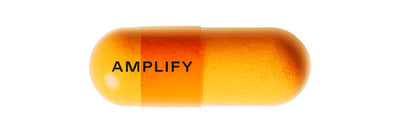
Want more energy? This supplement is designed to boost metabolism and cellular energy while optimizing mitochondrial function.
What Amplify is made of:
Glycine
1,000mg
Berberine
600mg
Coenzyme Q10
200mg
What Amplify does:
Increases NAD+
Supports healthy metabolism
Boosts muscle recovery
Suggested Use:
Take three capsules daily, with food, to help promote metabolism and energy.
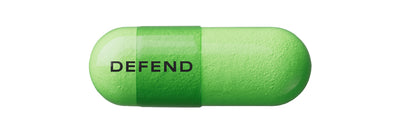
Meet Defend
Defend is designed to promote a healthy, vibrant immune system while simultaneously targeting immune-related aging hallmarks.
What Defend is made of:
Quercetin
500mg
Vitamin C
90mg
Beta-glucan
30mg
Zinc
11mg
Vitamin D3
1000IU
What Defend does:
Reduces inflammaging
Offer protection against acute respiratory infections
Help decrease the duration of respiratory infections
Stimulate the activity of white blood cells, which fight infection and repair normal cell function
Suggested Use:
Take 2 capsules daily with food (including a healthy fat).
Meet NAD+
NAD+ is designed to help elevate NAD+ levels to fuel key cellular functions that support healthy aging.
What NAD+ is made of:
Niacinamide
1000mg
What NAD+ does:
Promotes mitochondrial energy production and metabolism
Helps protect against oxidative stress
Maintains skin health
Supports sirtuin proteins
Suggested Use:
Take 2 capsules daily with food.
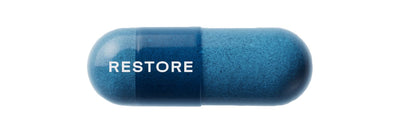
Meet Restore
Support healthy aging as you sleep. This supplement will help you fall asleep and stay asleep so you wake up refreshed and recharged.
What Restore is made of:
Magnesium bisglycinate chelate complex
250mg
L-theanine
200mg
Apigenin
50mg
What Restore does:
Enhances sleep quality
Makes it easier to fall asleep
Improves restless leg syndrome
Supports restorative sleep
Promotes relaxation
Helps relieve anxiety
Promotes a positive mood
Suggested Use:
As needed, take three capsules 30-60 minutes before bed.
Meet Sharpen
Sharpen is the key to unlock better memory, clearer thinking, and improved focus as you age. Keep your mind sharper, for longer.
What Sharpen is made of:
Taurine
1000mg
Choline
200mg
Vitamin B6
1.7mg
L-methylfolate
400mcg DFE
Vitamin B12
2.4mcg
What Sharpen does:
Supports long-term cognitive health, brain aging, and overall performance
Lowers a risk factor for dementia by decreasing homocysteine levels
Supports cholinergic signaling, essential for the encoding of memories
Promotes aspects of focus and performance
Suggested Use:
Take 2 capsules daily, with food.
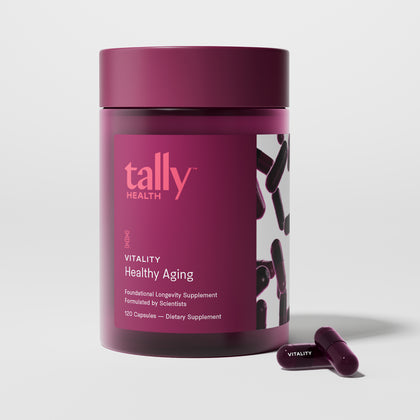
Meet Vitality
Slow aging at a cellular level. This supplement is designed to target all 12 hallmarks of biological aging.
What Vitality is made of:
Calcium Alpha-Ketoglutarate
1,000mg
Quercetin
500mg
Trans-resveratrol
500mg
Fisetin
50mg
Spermidine
900mcg
What Vitality does:
Induces autophagy
Maintains your epigenome
Removes senescent “zombie” cells
Activates sirtuins and repair processes
Suggested Use:
Take four capsules daily, with food (preferably including a healthy fat), to help promote your body's defense against aging.
Membership Benefits
Every six months, we’ll send you a TallyAge™ Test to measure your progress and improve your personalized action plan. Along the way, we’ll send our daily Vitality supplement and help you make powerful changes to unlock deeper health and vitality, for an even better you.
Bi-Annual Testing
Simply swab your cheek and drop the test kit in your mailbox. Our lab team will take care of the rest. Our TallyAge™ metric, developed from the world’s most comprehensive DNA methylation dataset of adult cheek cells, is an indicator of how you're aging on a biological level.
Personalized Recommendations
The results are in. You’ll get accurate insights into your biological health and aging - plus, a personalized action plan that highlights the high impact changes you can make to your lifestyle and daily habits to slow aging. Each recommendation is backed by efficacy data from groundbreaking research. All available, at the touch of a button, through Tally Health’s intuitive digital platform.