Totals exclude applicable state/local taxes. Cart contains recurring purchase. You will be charged $0.00 today and then less applicable discounts every month until cancelled. Contact Tally Support for additional details.
Glycine Benefits: Why This Small Amino Acid Plays a Big Role in Metabolic Health, Sleep, and Longevity
Published:
Glycine may be the smallest amino acid, but its impact on human health is anything but small. As a non-essential amino acid, glycine is produced by the body and consumed through protein-rich foods—but modern research suggests that many healthy adults may still fall short of optimal glycine intake.
From sleep quality and blood sugar regulation to oxidative stress and cardiovascular function, the benefits of glycine extend across nearly every major biological system. Below, we explore the science-backed glycine benefits, how glycine supplementation works in the body, and why this amino acid is gaining attention in longevity and metabolic health research.
What Is Glycine?
Image from Tally Health
Glycine is the simplest and smallest amino acid, playing a foundational role in human physiology. While it’s classified as a non-essential amino acid—meaning the body can synthesize it—this synthesis may be insufficient under certain conditions, including aging, metabolic stress, and chronic inflammation.
Glycine plays key roles in:
Protein synthesis and autophagy (cellular recycling)
Collagen synthesis (supporting skin and bone health)
Neurotransmitter signaling in the central nervous system
Glutathione production, which underlies oxidative stress defense
Because glycine participates in so many essential pathways, deficient synthesis may contribute to metabolic dysfunction over time.
Glycine Benefits for Sleep and the Nervous System
Image from Tally Health
One of the most well-studied benefits of glycine is its effect on sleep quality.
Glycine acts as an inhibitory neurotransmitter, meaning it helps calm neural activity in the central nervous system. Research suggests that ingested glycine can help lower core body temperature—a key signal that supports the ability to fall asleep.
Clinical studies and randomized controlled trials have found that glycine supplementation may:
Improve sleep quality
Help individuals fall asleep faster
Support deeper, more restorative sleep
These effects are thought to occur through glycine’s action on neurotransmitters and thermoregulation, rather than sedation—making it appealing for most healthy adults looking to improve sleep without grogginess.
Glycine and Blood Sugar Regulation
Image from Tally Health
Another major area of interest is glycine’s role in glucose metabolism and insulin sensitivity.
Research suggests glycine may help:
Improve insulin sensitivity
Regulate blood sugar levels
Support insulin secretion from human β cells
Improve glucose tolerance
Low plasma glycine levels have been associated with insulin resistance, hepatic insulin resistance, and an impaired metabolic response. In animal models, including diabetic rats, supplemental glycine improved insulin response and lowered blood sugar levels.
By influencing gene expression and insulin signaling pathways, glycine appears to support healthier blood sugar regulation—an important factor in reducing long-term heart disease risk.
Glycine, Oxidative Stress, and Inflammation
Image from Tally Health
Glycine plays a central role in the synthesis of glutathione, one of the body’s most powerful antioxidants. Reduced glutathione production is linked to oxidative stress, chronic inflammation, and age-related disease.
Clinical studies show glycine exerts anti-inflammatory effects by:
Reducing proinflammatory cytokines
Supporting alveolar macrophages in immune defense
Protecting tissues from oxidative damage
These effects may explain why glycine has been studied in conditions like alcoholic liver disease, alcohol-induced liver injury, and even cancer cachexia.
Cardiovascular and Metabolic Health Benefits
Image from Tally Health
Emerging research links higher glycine intake to improved cardiovascular function and metabolic markers.
Glycine may help:
Improve blood flow
Lower blood pressure
Reduce heart disease risk
Support insulin response and metabolic flexibility
Some observational studies suggest that higher dietary glycine intake is associated with better cardiovascular outcomes, particularly when combined with other amino acids from high-protein foods.
Glycine for Skin, Bone, and Muscle Health
Image from Tally Health
Glycine plays a direct role in collagen synthesis, making it essential for skin health, bone health, and connective tissue integrity. Collagen supplements and protein-rich foods provide dietary glycine, but supplementation may offer a more targeted approach.
Research also suggests glycine supplementation may support:
Upper limb strength performance
Muscle recovery when paired with creatine supplementation
Structural integrity of connective tissues
These benefits make glycine especially relevant as we age, when collagen production naturally declines.
How Much Glycine Do You Need?
Image from Tally Health
Most healthy adults consume glycine through dietary sources like high-protein foods (meat, fish, legumes) and collagen supplements. However, research often studies grams of glycine above typical dietary intake.
Clinical trials commonly use:
3–5 grams of glycine daily for sleep support
Lower doses for metabolic and insulin sensitivity benefits
Glycine powder, oral glycine, and capsule-based glycine supplements are all common forms. Glycine supplementation is generally well tolerated, with minimal adverse effects when taken as directed.
Glycine in a Longevity-Focused Supplement Routine
Image from Tally Health
Because glycine supports sleep, metabolic health, oxidative stress reduction, and cardiovascular function, it’s increasingly used as part of a comprehensive longevity strategy.
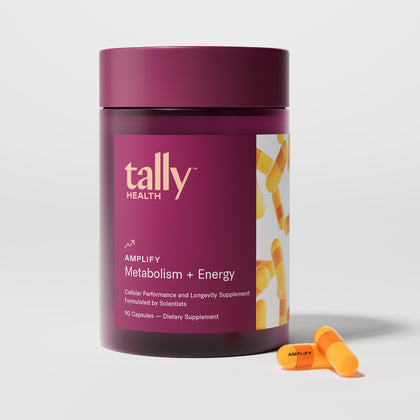
Amplify by Tally Health includes 1000 mg of glycine, formulated to support energy, metabolic response, and insulin sensitivity alongside other science-backed ingredients.
For individuals focused on optimizing long-term metabolic health, Amplify by Tally Health offers a convenient way to incorporate supplemental glycine into a daily routine—without relying solely on dietary sources.
The Bottom Line
Glycine may be small, but its health benefits are wide-ranging. From improving sleep quality and insulin sensitivity to reducing oxidative stress and supporting cardiovascular health, this non-essential amino acid plays an essential role in long-term well-being.
As research continues to uncover the effects of glycine on metabolism, inflammation, and aging, it’s becoming clear that optimizing glycine intake may be a simple yet powerful tool for supporting healthspan.
What are the benefits of glycine?
Glycine supports sleep quality, blood sugar regulation, oxidative stress reduction, and cardiovascular function. It plays key roles in protein and collagen synthesis, neurotransmitter signaling in the central nervous system, and glutathione production, which helps protect against oxidative stress. Research suggests glycine may also improve insulin sensitivity and support metabolic health.
Does glycine help with sleep?
Yes. Glycine acts as an inhibitory neurotransmitter that helps calm neural activity in the central nervous system. Research suggests that ingested glycine can help lower core body temperature, which supports the ability to fall asleep. Clinical studies have found that glycine supplementation may improve sleep quality, help individuals fall asleep faster, and promote deeper, more restorative sleep.
How much glycine should you take daily?
Clinical trials commonly use 3–5 grams of glycine daily for sleep support, with lower doses studied for metabolic and insulin sensitivity benefits. Glycine can be consumed through high-protein foods, collagen supplements, glycine powder, or capsule-based supplements. Glycine supplementation is generally well tolerated when taken as directed.
Ramos-Jiménez et al. An Update of the Promise of Glycine Supplementation for Enhancing Physical Performance and Recovery. Sports (Basel) 2024; https://doi.org/10.3390/sports12100265
We noticed you have an existing account with Tally. Add products to your existing subscription by going to Manage My Plan within your Account settings.
Want more energy? This supplement is designed to boost metabolism and cellular energy while optimizing mitochondrial function.
What Amplify is made of:
Glycine
1,000mg
Berberine
600mg
Coenzyme Q10
200mg
What Amplify does:
Increases NAD+
Supports healthy metabolism
Boosts muscle recovery
Suggested Use:
Take three capsules daily, with food, to help promote metabolism and energy.
Meet Defend
Defend is designed to promote a healthy, vibrant immune system while simultaneously targeting immune-related aging hallmarks.
What Defend is made of:
Quercetin
500mg
Vitamin C
90mg
Beta-glucan
30mg
Zinc
11mg
Vitamin D3
1000IU
What Defend does:
Reduces inflammaging
Offer protection against acute respiratory infections
Help decrease the duration of respiratory infections
Stimulate the activity of white blood cells, which fight infection and repair normal cell function
Suggested Use:
Take 2 capsules daily with food (including a healthy fat).
Meet NAD+
NAD+ is designed to help elevate NAD+ levels to fuel key cellular functions that support healthy aging.
What NAD+ is made of:
Niacinamide
1000mg
What NAD+ does:
Promotes mitochondrial energy production and metabolism
Helps protect against oxidative stress
Maintains skin health
Supports sirtuin proteins
Suggested Use:
Take 2 capsules daily with food.
Meet Restore
Support healthy aging as you sleep. This supplement will help you fall asleep and stay asleep so you wake up refreshed and recharged.
What Restore is made of:
Magnesium bisglycinate chelate complex
250mg
L-theanine
200mg
Apigenin
50mg
What Restore does:
Enhances sleep quality
Makes it easier to fall asleep
Improves restless leg syndrome
Supports restorative sleep
Promotes relaxation
Helps relieve anxiety
Promotes a positive mood
Suggested Use:
As needed, take three capsules 30-60 minutes before bed.
Meet Sharpen
Sharpen is the key to unlock better memory, clearer thinking, and improved focus as you age. Keep your mind sharper, for longer.
What Sharpen is made of:
Taurine
1000mg
Choline
200mg
Vitamin B6
1.7mg
L-methylfolate
400mcg DFE
Vitamin B12
2.4mcg
What Sharpen does:
Supports long-term cognitive health, brain aging, and overall performance
Lowers a risk factor for dementia by decreasing homocysteine levels
Supports cholinergic signaling, essential for the encoding of memories
Promotes aspects of focus and performance
Suggested Use:
Take 2 capsules daily, with food.
Meet Vitality
Slow aging at a cellular level. This supplement is designed to target all 12 hallmarks of biological aging.
What Vitality is made of:
Calcium Alpha-Ketoglutarate
1,000mg
Quercetin
500mg
Trans-resveratrol
500mg
Fisetin
50mg
Spermidine
900mcg
What Vitality does:
Induces autophagy
Maintains your epigenome
Removes senescent “zombie” cells
Activates sirtuins and repair processes
Suggested Use:
Take four capsules daily, with food (preferably including a healthy fat), to help promote your body's defense against aging.
Membership Benefits
Every six months, we’ll send you a TallyAge™ Test to measure your progress and improve your personalized action plan. Along the way, we’ll send our daily Vitality supplement and help you make powerful changes to unlock deeper health and vitality, for an even better you.
Bi-Annual Testing
Simply swab your cheek and drop the test kit in your mailbox. Our lab team will take care of the rest. Our TallyAge™ metric, developed from the world’s most comprehensive DNA methylation dataset of adult cheek cells, is an indicator of how you're aging on a biological level.
Personalized Recommendations
The results are in. You’ll get accurate insights into your biological health and aging - plus, a personalized action plan that highlights the high impact changes you can make to your lifestyle and daily habits to slow aging. Each recommendation is backed by efficacy data from groundbreaking research. All available, at the touch of a button, through Tally Health’s intuitive digital platform.