Totals exclude applicable state/local taxes. Cart contains recurring purchase. You will be charged $0.00 today. Future recurring charges and billing intervals are shown at checkout. Subscriptions continue until cancelled. Contact Tally Support for additional details.
Homocysteine Levels: What They Mean for Your Heart, Brain, and Long-Term Health
Published:
When it comes to longevity and disease prevention, some of the most important biomarkers aren’t widely discussed. One of them? The blood marker homocysteine.
You may have seen it listed on a blood test without much explanation. But growing evidence suggests that homocysteine levels can influence everything from cardiovascular disease and blood vessel health to cognitive decline and Alzheimer disease.
So what exactly is homocysteine? What causes elevated homocysteine levels? And most importantly — how can you lower homocysteine levels naturally?
Let’s break it down.
What Is Homocysteine?
Homocysteine is an amino acid — specifically, homocysteine is an amino acid produced during the metabolism of methionine, another amino acid found in protein-rich foods like meat, fish, and eggs.
Under normal circumstances, your body efficiently recycles homocysteine through a process called homocysteine metabolism. This process relies heavily on B vitamins, especially:
Vitamin B12
Vitamin B6
Folate (folic acid, which is also known as vitamin B9)
Enzymes such as methionine synthase and cystathionine beta synthase deficiency pathways help convert homocysteine into other useful compounds.
When this system functions properly, plasma total homocysteine levels remain within a healthy range.
When it doesn’t? Homocysteine can accumulate in the blood.
What Are Normal Homocysteine Levels?
Image from Tally Health
A standard homocysteine blood test measures the amount of homocysteine circulating in your blood. This is typically assessed through a simple blood sample.
Normal range: Approximately 5–15 micromoles per liter (µmol/L)
Mild elevation: 15–30 µmol/L
Moderate elevation: 30–100 µmol/L
Severe elevations: >100 µmol/L
Persistently elevated homocysteine levels may indicate an underlying vitamin deficiency, impaired homocysteine metabolism, or other health conditions.
Your clinician may order a homocysteine test if you have:
Early cardiovascular disease
Unexplained blood clots
A family history of vascular disease
Cognitive impairment
Suspicion of folate deficiency or vitamin B deficiency
Why Elevated Homocysteine Matters
Image from Tally Health
Research over the past few decades has identified elevated homocysteine as an independent risk factor for several serious health conditions.
1. Cardiovascular Disease and Coronary Artery Disease
High homocysteine level is associated with:
Coronary heart disease
Coronary artery disease
Cerebrovascular disease
Peripheral vascular disease
Increased risk of cardiovascular events
Homocysteine may impair endothelial function, damaging the lining of blood vessels that carry oxygen rich blood throughout the body. This can promote:
Inflammation
Oxidative stress
Blood vessel blockages
Blood clots
Venous thrombosis
Several meta analysis reports suggest that elevated plasma homocysteine levels are linked with a higher risk of heart disease and stroke, even after adjusting for traditional risk factors like high blood pressure and cholesterol.
In short: too much homocysteine may compromise blood vessel integrity and increase cardiovascular risk.
2. Cognitive Decline and Brain Health
Homocysteine doesn’t just affect the heart.
Studies, including findings from the Hordaland Homocysteine Study, have linked elevated levels of homocysteine with:
Cognitive decline
Cognitive impairment
Brain atrophy
Increased risk of Alzheimer disease
Elevated homocysteine concentration has been detected in plasma and even in cerebrospinal fluid in patients presenting with neurodegenerative changes.
Mechanistically, homocysteine may contribute to:
Vascular damage in the brain
Impaired methylation processes
Increased oxidative stress
Over time, this may influence long-term brain health and resilience.
3. Rare Genetic Disorders
In rare cases, markedly elevated homocysteine levels are caused by a rare autosomal recessive disorder known as cystathionine beta synthase deficiency.
This condition can lead to severe elevations, thrombotic disorders, skeletal abnormalities, and early cardiovascular disease.
While rare, it underscores how critical healthy homocysteine metabolism is to overall health.
What Causes Elevated Homocysteine Levels?
Image from Tally Health
Multiple factors can contribute to elevated homocysteine:
Vitamin Deficiency
The most common cause is vitamin deficiency, particularly:
Folate deficiency
Vitamin B12 deficiency
Vitamin B6 deficiency
Without adequate vitamin B support, the body cannot efficiently recycle homocysteine.
Diet and Lifestyle
Low intake of leafy greens (folate)
Excessive alcohol intake
Smoking
High coffee consumption (some observational study data suggests a modest association with increased plasma homocysteine)
Age and Hormonal Changes
Homocysteine levels tend to rise with age. Postmenopausal women may experience higher plasma total homocysteine levels, partly due to hormonal shifts.
Kidney Function
Impaired kidney function can reduce clearance, leading to elevated levels.
Does Lowering Homocysteine Reduce Risk?
Image from Tally Health
This is where the science becomes nuanced.
Large trials of homocysteine lowering therapy using folic acid supplementation and other B vitamins show that supplementation reliably reduces plasma homocysteine.
However, whether this translates into reduced cardiovascular events depends on the population studied.
Some clinical nutrition and Clin Chem Lab Med reports suggest benefits in stroke reduction, while other trials show more modest effects on coronary heart disease outcomes.
The takeaway: While homocysteine lowering may not be a cure-all, maintaining healthy levels remains a prudent strategy for long-term vascular and cognitive health.
How to Naturally Lower Homocysteine Levels
Image from Tally Health
The good news? For many people, elevated homocysteine can be improved with targeted lifestyle and nutritional changes.
1. Optimize B Vitamin Intake
Supporting homocysteine metabolism requires:
Folate (folic acid)
Vitamin B12
Vitamin B6
Food sources include:
Leafy greens
Legumes
Eggs
Fish
Poultry
In cases of confirmed deficiency, folic acid supplementation or targeted vitamin therapy may be recommended by a healthcare provider.
Because B vitamins also support methylation and neurological function, they play a broader role in healthy aging. This is one reason formulations like Sharpen by Tally Health include key nutrients that support brain health and methylation pathways as part of a comprehensive longevity strategy.
2. Prioritize Nutrient-Dense, Whole Foods
A diet rich in whole foods helps support healthy homocysteine metabolism. Emphasize:
Dark leafy greens
Cruciferous vegetables
High-quality protein
Legumes
Nuts and seeds
Avoid highly processed foods that may displace nutrient-dense options.
3. Support Cardiovascular Health Holistically
Because elevated homocysteine is a risk factor for vascular disease, it’s important to address the full picture:
Maintain healthy blood pressure
Exercise regularly
Avoid smoking
Moderate alcohol intake
Prioritize sleep
Longevity isn’t about one marker — it’s about optimizing systems.
4. Test and Monitor
If you have a personal or family history of coronary artery disease, thrombotic disorders, cognitive decline, or unexplained blood clots, ask your provider about a homocysteine blood test.
Measuring plasma homocysteine or plasma total homocysteine provides insight into whether further nutritional evaluation is needed.
Repeat testing after interventions can help track progress.
Homocysteine and Longevity: The Bigger Picture
Image from Tally Health
Homocysteine is not inherently “bad.” It’s a normal intermediate in amino acid metabolism.
But chronically elevated homocysteine levels may:
Impair endothelial function
Increase risk of blood vessel blockages
Contribute to cardiovascular disease
Influence cognitive impairment and brain atrophy
In the context of other risk factors, it may serve as an early warning signal.
From a longevity perspective, optimizing biomarkers like homocysteine is about supporting cellular health, vascular integrity, and cognitive resilience over time.
Targeted nutritional strategies — including adequate B vitamins and comprehensive brain-supportive formulas like Sharpen by Tally Health — can play a role in maintaining healthy homocysteine metabolism as part of a broader evidence-based plan.
The Bottom Line
Image from Tally Health
Homocysteine is an amino acid involved in normal metabolism.
Elevated homocysteine levels are associated with cardiovascular disease, vascular disease, cognitive decline, and increased risk of thrombotic disorders.
The most common cause is vitamin B deficiency, particularly folate deficiency and low vitamin B12.
A simple blood test can measure homocysteine levels.
Supporting B vitamin intake (specifically vitamins B6, B9, and B12), improving diet quality, and addressing lifestyle factors can help lower homocysteine levels naturally.
In longevity science, small molecules can have big implications. Homocysteine is one of them.
Understanding it — and supporting healthy levels — is a smart step toward protecting your heart, brain, and long-term health.
What is homocysteine and why is it important?
Homocysteine is an amino acid produced during the metabolism of methionine, an amino acid found in protein-rich foods like meat, fish, and eggs. Under normal circumstances, the body recycles homocysteine using B vitamins such as vitamin B6, vitamin B12, and folate. When this process doesn’t work properly, homocysteine can accumulate in the blood and may affect cardiovascular and brain health.
What causes elevated homocysteine levels?
Elevated homocysteine levels are most commonly caused by vitamin deficiencies, particularly folate deficiency, vitamin B12 deficiency, or vitamin B6 deficiency. Other contributing factors can include low intake of leafy greens, smoking, excessive alcohol consumption, high coffee intake, aging, hormonal changes, and impaired kidney function.
How can you lower homocysteine levels naturally?
Homocysteine levels can often be lowered by improving B vitamin intake, especially folate (vitamin B9), vitamin B12, and vitamin B6. Eating nutrient-dense foods like leafy greens, legumes, fish, eggs, and poultry can support healthy homocysteine metabolism. Lifestyle factors such as regular exercise, maintaining healthy blood pressure, moderating alcohol intake, and avoiding smoking may also help support healthy levels.
D'Elia et al. Homocysteine in the Cardiovascular Setting: What to Know, What to Do, and What Not to Do. J Cardiovasc Dev Dis 2025; https://doi.org/10.3390/jcdd12100383
Fowler. Homocysteine: overview of biochemistry, molecular biology, and role in disease processes. Semin Vacs Med 2005; https://doi.org/10.1055/s-2005-872394
We noticed you have an existing account with Tally. Add products to your existing subscription by going to Manage My Plan within your Account settings.
Want more energy? This supplement is designed to boost metabolism and cellular energy while optimizing mitochondrial function.
What Amplify is made of:
Glycine
1,000mg
Berberine
600mg
Coenzyme Q10
200mg
What Amplify does:
Increases NAD+
Supports healthy metabolism
Boosts muscle recovery
Suggested Use:
Take three capsules daily, with food, to help promote metabolism and energy.
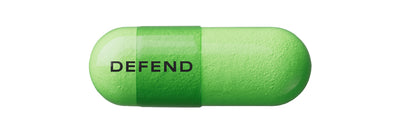
Meet Defend
Defend is designed to promote a healthy, vibrant immune system while simultaneously targeting immune-related aging hallmarks.
What Defend is made of:
Quercetin
500mg
Vitamin C
90mg
Beta-glucan
30mg
Zinc
11mg
Vitamin D3
1000IU
What Defend does:
Reduces inflammaging
Offer protection against acute respiratory infections
Help decrease the duration of respiratory infections
Stimulate the activity of white blood cells, which fight infection and repair normal cell function
Suggested Use:
Take 2 capsules daily with food (including a healthy fat).
Meet NAD+
NAD+ is designed to help elevate NAD+ levels to fuel key cellular functions that support healthy aging.
What NAD+ is made of:
Niacinamide
1000mg
What NAD+ does:
Promotes mitochondrial energy production and metabolism
Helps protect against oxidative stress
Maintains skin health
Supports sirtuin proteins
Suggested Use:
Take 2 capsules daily with food.
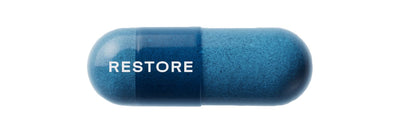
Meet Restore
Support healthy aging as you sleep. This supplement will help you fall asleep and stay asleep so you wake up refreshed and recharged.
What Restore is made of:
Magnesium bisglycinate chelate complex
250mg
L-theanine
200mg
Apigenin
50mg
What Restore does:
Enhances sleep quality
Makes it easier to fall asleep
Improves restless leg syndrome
Supports restorative sleep
Promotes relaxation
Helps relieve anxiety
Promotes a positive mood
Suggested Use:
As needed, take three capsules 30-60 minutes before bed.
Meet Sharpen
Sharpen is the key to unlock better memory, clearer thinking, and improved focus as you age. Keep your mind sharper, for longer.
What Sharpen is made of:
Taurine
1000mg
Choline
200mg
Vitamin B6
1.7mg
L-methylfolate
400mcg DFE
Vitamin B12
2.4mcg
What Sharpen does:
Supports long-term cognitive health, brain aging, and overall performance
Lowers a risk factor for dementia by decreasing homocysteine levels
Supports cholinergic signaling, essential for the encoding of memories
Promotes aspects of focus and performance
Suggested Use:
Take 2 capsules daily, with food.
Meet Vitality
Slow aging at a cellular level. This supplement is designed to target all 12 hallmarks of biological aging.
What Vitality is made of:
Calcium Alpha-Ketoglutarate
1,000mg
Quercetin
500mg
Trans-resveratrol
500mg
Fisetin
50mg
Spermidine
900mcg
What Vitality does:
Induces autophagy
Maintains your epigenome
Removes senescent “zombie” cells
Activates sirtuins and repair processes
Suggested Use:
Take four capsules daily, with food (preferably including a healthy fat), to help promote your body's defense against aging.
Membership Benefits
Every six months, we’ll send you a TallyAge™ Test to measure your progress and improve your personalized action plan. Along the way, we’ll send our daily Vitality supplement and help you make powerful changes to unlock deeper health and vitality, for an even better you.
Bi-Annual Testing
Simply swab your cheek and drop the test kit in your mailbox. Our lab team will take care of the rest. Our TallyAge™ metric, developed from the world’s most comprehensive DNA methylation dataset of adult cheek cells, is an indicator of how you're aging on a biological level.
Personalized Recommendations
The results are in. You’ll get accurate insights into your biological health and aging - plus, a personalized action plan that highlights the high impact changes you can make to your lifestyle and daily habits to slow aging. Each recommendation is backed by efficacy data from groundbreaking research. All available, at the touch of a button, through Tally Health’s intuitive digital platform.