Totals exclude applicable state/local taxes. Cart contains recurring purchase. You will be charged $0.00 today. Future recurring charges and billing intervals are shown at checkout. Subscriptions continue until cancelled. Contact Tally Support for additional details.
January can feel like the longest month of the year. Short days, limited natural sunlight, disrupted routines, and colder temperatures combine to create a perfect storm for low mood, fatigue, and disrupted sleep. For many people, this seasonal shift goes beyond winter blues and enters the realm of seasonal depression or even major depressive disorder.
One evidence-based, non-pharmacological intervention that has gained significant scientific attention is light therapy—specifically bright light therapy. Used correctly, light therapy may offer a meaningful antidepressant effect, support circadian rhythm alignment, and improve both mental and physical health during the darkest months of the year.
This guide breaks down how light therapy works, who it helps, how to use it safely, and what the science actually says.
What Is Light Therapy?
Image from Tally Health
Light therapy (also called bright light treatment or phototherapy) involves controlled exposure to an artificial light source that mimics certain characteristics of natural sunlight. The most common form uses a light therapy box or light box that emits bright white light at a specific light intensity, typically 10,000 lux.
Unlike ordinary indoor lighting, which usually ranges from 100–500 lux, these light therapy lamps deliver a concentrated dose of light designed to influence the brain’s mood-regulating and circadian systems.
Importantly, modern commercially available phototherapy devices are designed to filter out harmful ultraviolet light (including UVA light, UVB, and ultraviolet radiation), making them generally safe when used properly.
Why January Is Prime Time for Light Therapy
During winter, reduced light exposure—especially in the morning—can disrupt the body’s circadian rhythm, the internal clock that governs sleep, hormone release, metabolism, and mood.
Less direct sunlight means:
Delayed melatonin suppression
Reduced serotonin signaling
Altered cortisol rhythms
Increased fatigue, cravings, and weight gain
These biological changes are strongly associated with seasonal affective disorder (SAD), a subtype of mood disorders characterized by recurring winter depression.
Multiple controlled trials, placebo controlled trials, and systematic reviews—including research published in the New England Journal of Medicine—show that bright light therapy leads to a significant reduction in depressive symptoms, particularly for winter depression.
Conditions Light Therapy Can Support
Image from Tally Health
Seasonal Affective Disorder (SAD)
Light therapy is considered a first-line, effective treatment for SAD. Clinical trials consistently demonstrate improvements in mood, energy, sleep, and concentration.
Seasonal and Nonseasonal Depression
Evidence suggests light therapy may also benefit nonseasonal depression, major depression, and non seasonal depression, especially as an adjunct to antidepressant medication or other treatments.
Bipolar Disorder
Light therapy may help patients suffering from bipolar depression, but timing and intensity must be carefully managed under guidance from a mental health professional to avoid triggering mania.
Perinatal Depression
Some studies show beneficial effects of bright light therapy for perinatal depression, offering a non-drug option during pregnancy and postpartum.
Sleep Disorders
By reinforcing circadian alignment, light therapy may improve insomnia, delayed sleep phase disorder, and other sleep disorders.
Other Emerging Areas
Research is ongoing into potential benefits for Alzheimer’s disease (the most common form of dementia that increases with age), mood disorders, wound healing, and even inflammation regulation. Early findings suggest light therapy may reduce inflammation and support neurological health, though this remains an active area of investigation.
How Light Therapy Works (The Science)
Image from Tally Health
Light therapy works through the eyes—but not through vision.
Specialized retinal cells detect emitted light and signal the brain’s suprachiasmatic nucleus (SCN), the master circadian clock. This process:
Suppresses melatonin earlier in the day
Increases alertness
Improves serotonin signaling
Resets sleep–wake timing
This mechanism explains why starting light therapy in the morning is most effective.
The antidepressant effect appears comparable to medication in some studies, particularly for SAD, without many of the systemic side effects associated with drugs.
Choosing the Right Light Therapy Device
Image from Tally Health
When selecting a light therapy box, look for these physical characteristics:
10,000 lux output at a safe distance
Broad-spectrum bright white light therapy
No ultraviolet radiation
Clinically tested or FDA-cleared
Designed for at home devices use
Avoid:
Tanning beds (high UV exposure, skin cancer risk)
Devices emitting excessive blue light without filtering
Unregulated light devices with unclear intensity ratings
Some newer tools include dawn simulation lamps, which gradually increase light in the morning, and near infrared light or red light devices—though these serve different therapeutic purposes and are not equivalent to bright light treatment for depression.
How to Use Light Therapy Safely
Image from Tally Health
Starting light therapy doesn’t require hours of exposure.
Typical guidelines:
Use for 20–30 minutes daily
Morning use (within 1 hour of waking)
Sit about 16–24 inches from the light therapy box
Do not stare directly into the light
Light therapy is generally safe, but mild adverse effects can include:
Headache
Eye strain
Nausea
Increased light sensitivity
People with medical conditions, eye disease, skin conditions, or heightened light sensitivity should consult a mental health professional or physician before use.
Light therapy should not include ultraviolet light, UVB phototherapy, or UVA light, which are used in office treatments for certain skin conditions and carry different risk profiles, including skin cancer.
What the Research Says
A critical review of multiple clinical trials and controlled trials shows:
Faster symptom improvement than placebo
Comparable outcomes to antidepressants for SAD
Additive benefits when combined with other treatments
Evidence supporting light therapy continues to grow, with research spanning psychiatry, sleep medicine, and environmental therapeutics.
Light Therapy as Part of a Longevity-Focused Lifestyle
Image from Tally Health
Light therapy isn’t a cure-all—but it’s a powerful tool when combined with:
Consistent sleep timing
Morning outdoor light exposure when possible
Regular movement
Nutrient-dense nutrition
Stress regulation
At Tally Health, we view light therapy as one piece of a broader strategy to support mental health, biological rhythms, and long-term resilience—especially during challenging seasonal transitions.
The Takeaway
Image from Tally Health
January doesn’t have to feel like a biological uphill climb.
For many people—especially those experiencing seasonal depression—bright light therapy offers a safe, evidence-backed way to restore circadian balance, improve mood, and support mental well-being during winter’s darkest weeks.
As always, if you’re experiencing persistent or severe depression symptoms, work with a qualified mental health professional to determine the best personalized treatment plan.
Light matters. And in winter, it may matter more than you think.
Image from Tally Health
Light therapy helps reset your circadian rhythm. Vitality supports what happens deeper—inside your cells.
Tally’s signature longevity supplement is formulated with science-backed ingredients to support longevity over time—especially when stress, low light, and winter routines take a toll.
Your healthiest year isn’t built overnight. It’s built daily—starting at the cellular level.
References
Hernández-Bule et al. Unlocking the Power of Light on the Skin: A Comprehensive Review on Photobiomodulation. Int J Mol Sci 2024; https://doi.org/10.3390/ijms25084483
Wirz-Justice and Terman. CME: Light Therapy: Why, What, for Whom, How, and When (And a Postscript about Darkness). Praxis (Bern 1994) 2022; https://doi.org/10.1024/1661-8157/a003821
Pjrek et al. The Efficacy of Light Therapy in the Treatment of Seasonal Affective Disorder: A Meta-Analysis of Randomized Controlled Trials. Psychother Psychosom 2020; https://doi.org/10.1159/000502891
Light therapy (also called bright light treatment or phototherapy) involves controlled exposure to an artificial light source—typically a light therapy box emitting 10,000 lux—that mimics certain characteristics of natural sunlight. It works by signaling the brain’s suprachiasmatic nucleus to suppress melatonin, improve serotonin signaling, and reset circadian rhythms, which can improve mood, alertness, and sleep timing.
Why is January an important time to use light therapy?
January brings reduced natural sunlight, especially in the morning, which can disrupt circadian rhythms and lead to delayed melatonin suppression, reduced serotonin signaling, altered cortisol rhythms, and increased fatigue. These changes are strongly associated with seasonal affective disorder (SAD), and research shows bright light therapy can significantly reduce depressive symptoms during winter.
How should light therapy be used safely and effectively?
Typical guidelines recommend using a light therapy box for 20–30 minutes daily, in the morning within one hour of waking, while sitting 16–24 inches away without staring directly into the light. Devices should emit 10,000 lux of bright white light, contain no ultraviolet radiation, and be clinically tested, as light therapy is generally safe when used properly.
We noticed you have an existing account with Tally. Add products to your existing subscription by going to Manage My Plan within your Account settings.
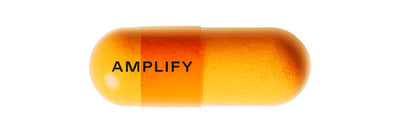
Want more energy? This supplement is designed to boost metabolism and cellular energy while optimizing mitochondrial function.
What Amplify is made of:
Glycine
1,000mg
Berberine
600mg
Coenzyme Q10
200mg
What Amplify does:
Increases NAD+
Supports healthy metabolism
Boosts muscle recovery
Suggested Use:
Take three capsules daily, with food, to help promote metabolism and energy.
Meet Defend
Defend is designed to promote a healthy, vibrant immune system while simultaneously targeting immune-related aging hallmarks.
What Defend is made of:
Quercetin
500mg
Vitamin C
90mg
Beta-glucan
30mg
Zinc
11mg
Vitamin D3
1000IU
What Defend does:
Reduces inflammaging
Offer protection against acute respiratory infections
Help decrease the duration of respiratory infections
Stimulate the activity of white blood cells, which fight infection and repair normal cell function
Suggested Use:
Take 2 capsules daily with food (including a healthy fat).
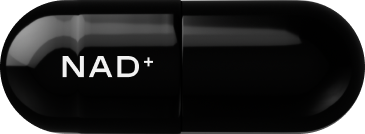
Meet NAD+
NAD+ is designed to help elevate NAD+ levels to fuel key cellular functions that support healthy aging.
What NAD+ is made of:
Niacinamide
1000mg
What NAD+ does:
Promotes mitochondrial energy production and metabolism
Helps protect against oxidative stress
Maintains skin health
Supports sirtuin proteins
Suggested Use:
Take 2 capsules daily with food.
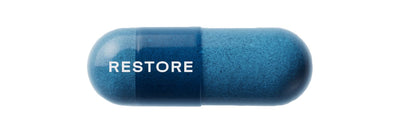
Meet Restore
Support healthy aging as you sleep. This supplement will help you fall asleep and stay asleep so you wake up refreshed and recharged.
What Restore is made of:
Magnesium bisglycinate chelate complex
250mg
L-theanine
200mg
Apigenin
50mg
What Restore does:
Enhances sleep quality
Makes it easier to fall asleep
Improves restless leg syndrome
Supports restorative sleep
Promotes relaxation
Helps relieve anxiety
Promotes a positive mood
Suggested Use:
As needed, take three capsules 30-60 minutes before bed.
Meet Sharpen
Sharpen is the key to unlock better memory, clearer thinking, and improved focus as you age. Keep your mind sharper, for longer.
What Sharpen is made of:
Taurine
1000mg
Choline
200mg
Vitamin B6
1.7mg
L-methylfolate
400mcg DFE
Vitamin B12
2.4mcg
What Sharpen does:
Supports long-term cognitive health, brain aging, and overall performance
Lowers a risk factor for dementia by decreasing homocysteine levels
Supports cholinergic signaling, essential for the encoding of memories
Promotes aspects of focus and performance
Suggested Use:
Take 2 capsules daily, with food.
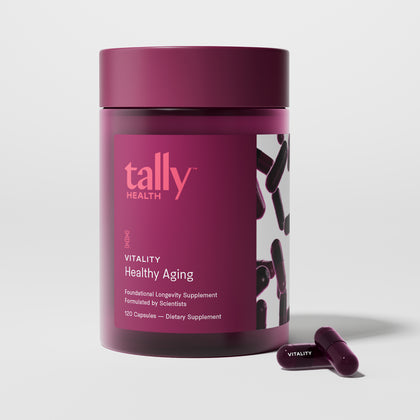
Meet Vitality
Slow aging at a cellular level. This supplement is designed to target all 12 hallmarks of biological aging.
What Vitality is made of:
Calcium Alpha-Ketoglutarate
1,000mg
Quercetin
500mg
Trans-resveratrol
500mg
Fisetin
50mg
Spermidine
900mcg
What Vitality does:
Induces autophagy
Maintains your epigenome
Removes senescent “zombie” cells
Activates sirtuins and repair processes
Suggested Use:
Take four capsules daily, with food (preferably including a healthy fat), to help promote your body's defense against aging.
Membership Benefits
Every six months, we’ll send you a TallyAge™ Test to measure your progress and improve your personalized action plan. Along the way, we’ll send our daily Vitality supplement and help you make powerful changes to unlock deeper health and vitality, for an even better you.
Bi-Annual Testing
Simply swab your cheek and drop the test kit in your mailbox. Our lab team will take care of the rest. Our TallyAge™ metric, developed from the world’s most comprehensive DNA methylation dataset of adult cheek cells, is an indicator of how you're aging on a biological level.
Personalized Recommendations
The results are in. You’ll get accurate insights into your biological health and aging - plus, a personalized action plan that highlights the high impact changes you can make to your lifestyle and daily habits to slow aging. Each recommendation is backed by efficacy data from groundbreaking research. All available, at the touch of a button, through Tally Health’s intuitive digital platform.