Every fall, the same thing happens. The alarm moves an hour earlier, the evenings fill up, and somehow the whole household is running on a little less sleep than it was in July. We tend to call this an adjustment period — a week or two of grogginess before everyone settles in.
But the adjustment isn't only about the schedule. It's about light. Late-summer evenings, glowing laptops, one more episode before bed — all of it tells your brain that the day isn't over yet, right as the calendar demands that it start earlier.
That mismatch has measurable effects on how your body repairs itself overnight.
Your Eyes Have a Second Job

Image from Tally Health
Beyond vision, your retinas contain specialized cells that do something surprising: they report on light levels directly to your brain's master clock, a small cluster of neurons called the suprachiasmatic nucleus. These cells are especially responsive to short-wavelength light — the blue-rich glow that daylight and most screens have in common.
When that signal arrives at night, your brain reads it as daytime and blocks the release of melatonin, the hormone that opens the door to sleep. Research suggests that evening screen exposure can push melatonin later and shift your internal clock, meaning you're not tired at the hour you need to be. The sleep you lose isn't just hours — it's the deep, early-night sleep your body relies on most.
The Overnight Shift

Image from Tally Health
Sleep isn't downtime. It's when a great deal of maintenance gets done. During deep sleep, the brain increases clearance of metabolic waste, hormones that regulate appetite and blood sugar reset, and cells and tissues step up repair processes that run all night.
Cut that window short, and the effects show up quickly. Research has associated short sleep with higher inflammatory markers, poorer glucose regulation, and reduced cognitive performance the next day. Over the long run, studies have linked chronic short sleep to measures of accelerated biological aging — meaning that your cells appear functionally older than your birthday suggests.
The encouraging part: sleep is one of the most responsive levers we have. Small, consistent shifts in light exposure and timing can move it.
The Monday You Can Feel

Image from Tally Health
Here's a pattern researchers have a name for: social jetlag. It describes the gap between the sleep schedule your body wants and the one your calendar assigns. Sleep in until 9:30 AM on Saturday, wake at 6:15 AM on Monday, and you've effectively flown across three time zones without leaving your house.
Summer widens that gap quietly. Late sunsets and loose schedules let bedtime drift, and by the time the school year starts, the correction has to happen all at once. Research has associated larger social jetlag with worse sleep quality, higher inflammatory markers, and less favorable metabolic measures — and notably, it isn't fully solved by catching up on hours. Your body appears to care about when you sleep, not only how much.
The practical upshot is reassuring: consistency does more work here than duration. A steadier schedule, even an imperfect one, narrows the gap.
Your Stomach Keeps Its Own Calendar

Image from Tally Health
The clock in your brain isn't the only one. Nearly every tissue in your body — liver, pancreas, gut, muscle — runs a local timekeeping system, and those peripheral clocks take their strongest cues not from light but from food.
Which is why the summer-to-fall shift can feel harder than a bedtime change alone should explain. If dinner has been drifting toward 9 PM and breakfast has been optional, your metabolic clocks are set to a schedule your new mornings no longer match. Research suggests that eating late in the evening is associated with poorer overnight glucose control and less efficient sleep, even when total calories don't change. Shifting your meals earlier gives the rest of your body the same signal your alarm clock is already sending.
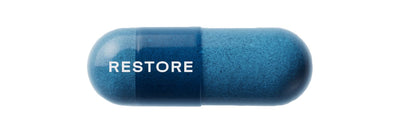
Meet Restore

Image from Tally Health
Short sleep doesn't just leave you tired. It leaves your cells with more repair work and fewer resources to do it, which is one reason poor sleep is associated with higher oxidative stress and inflammation.
That's the window Restore is built for. It's formulated to support the recovery and repair processes your body prioritizes overnight — the cellular housekeeping that a shortened night cuts into first. When the schedule is in flux and your sleep is taking the hit, supporting recovery is the part still within your control.
Science-backed ways to protect your fall sleep

Image from Tally Health
Front-load your light. Morning daylight within an hour of waking helps anchor your circadian clock earlier, which makes an earlier bedtime feel natural rather than forced.
Set a screen curfew. Research suggests the last 60–90 minutes before bed matter most. While going out is definitely ideal, dimming devices and switching to warmer tones also helps.
Move bedtime in increments. Shifting 15 minutes every few nights is far more sustainable than a one-hour jump.
Keep weekends within an hour. Large weekend shifts recreate the Monday-morning mismatch all over again.
Anchor breakfast and dinner. Meals are a timing signal for the clocks in your organs. Eating at consistent hours — and finishing dinner earlier — helps them line up with your new schedule.
Avoid caffeine too late in the day. Caffeine has a long half-life and can reduce deep sleep even when it doesn't stop you from falling asleep.
See What the Season Actually Cost You

Image from Tally Health
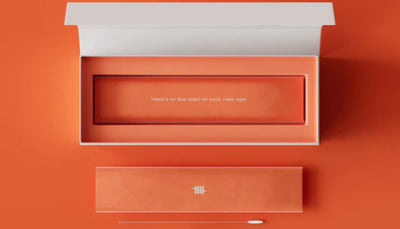
Sleep is one of the more responsive levers in longevity — which means changes to it are worth measuring, not guessing at. The TallyAge Test uses a simple at-home cheek swab to read patterns in your DNA methylation, the chemical marks that shift as your cells age. The result is an estimate of your biological age: how old your cells appear to be functioning, as distinct from the number on your birth certificate.
It's most useful as a baseline. Test now, at the start of the season, then again after a few months of steadier sleep and meal timing — and you have something concrete to compare rather than a vague sense of whether fall went better than last year.
A Better Fall Starts the Night Before
None of this requires overhauling your life in the first week of September. Get outside in the morning. Ditch or dim the screens a little earlier. Eat dinner before it gets late. The habits are small, and the biology behind them is patient — cells respond to consistency far more than intensity.
Here's to a season that feels less like a slide and more like a start.
References
Caliandro et al. Social Jetlag and Related Risks for Human Health: A Timely Review. Nutrients 2021.
Roenneberg. How can social jetlag affect health? Nat Rev Endocrinol 2023.
Lin et al. Association Between Social Jetlag and Components of Metabolic Syndrome: A Systematic Review and Meta-Analysis. J Nurs Res 2024.
Randjelović et al. The effect of reducing blue light from smartphone screen on subjective quality of sleep among students. Chronobiol Int 2023.
Arshad et al. The adverse impact of excessive smartphone screen-time on sleep quality among young adults: A prospective cohort. Sleep Sci 2021.