Aging is often talked about in terms of wrinkles, energy levels, or how fast recovery takes after a tough workout. But beneath all of those visible signs is a molecular clock that silently influences how we age: telomeres.
Telomeres and aging are an important area of modern longevity science. Research across human cells, mice, and human population studies consistently shows that telomere length—the size of the protective caps at the ends of chromosomes—matters for cellular function, lifespan, and overall health.
So, what exactly are telomeres? Why do they shorten? And can anything help maintain them?
Let’s break down the science.
What Are Telomeres?

Image from Tally Health
Telomeres are repetitive sequences of telomeric DNA that sit at the very ends of our chromosomes. Think of them like the plastic tips at the ends of shoelaces, preventing the DNA from fraying, unraveling, or mistakenly fusing with other chromosomes.
Each time your cells divide—a normal part of life—your telomeres get a little shorter. This natural “countdown” is a natural part of the aging process.
Telomeres protect:
Genomic stability
DNA replication accuracy
Healthy cell division
Resistance to DNA damage
When telomeres become critically short, cells can no longer divide effectively. They enter a state known as cellular senescence, a form of permanent growth arrest.
How Telomere Shortening Drives Aging
Telomere shortening (also called telomere attrition) is one of the best-studied biological hallmarks of aging. In normal human cells, telomere length decreases with age, and accelerated telomere shortening is linked to both visible and invisible signs of aging.
Why do telomeres shorten?
Each round of cell division chips away at telomeric DNA.
Oxidative stress accelerates DNA damage—reactive oxygen species (ROS) are especially harmful to mammalian telomeres.
Chronic inflammation increases the rate of telomere shortening.
Lifestyle factors such as poor sleep, smoking, inactivity, and chronic stress contribute to telomere loss over time.
Oxidative stress shortens telomeres more rapidly than natural aging alone. This is why antioxidant support, metabolic health, and supporting mitochondrial function are areas of high interest in longevity research.
What Happens When Telomeres Become Too Short?

Image from Tally Health
When telomeres reach a critically short length, cells experience telomere dysfunction. They stop dividing and enter replicative senescence or cell death. Senescent cells can release inflammatory molecules known as the senescence-associated secretory phenotype (SASP), which contributes to age-related tissue decline.
Shortened telomeres are associated with increased risk of:
Cardiovascular disease
Chronic kidney disease
Pulmonary fibrosis
Aplastic anemia
Certain types of human cancer
Faster biological aging and shorter life expectancy
Studies show similar patterns in white blood cells, peripheral blood leukocytes, stem cells, and human somatic cells—short telomeres reduce the regenerative capacity of tissues around the body.
Measuring Telomere Length: What Do We Look At?

Image from Tally Health
Most human studies focus on leukocyte telomere length or white cell telomere length, because blood cells are easy to sample and reflect systemic aging. Research shows a strong association between telomere length and age-related diseases, although telomeres are just one part of a larger picture.
Scientists also study:
Peripheral blood mononuclear cells (PBMCs)
Sperm telomere length
Telomere length variation across human tissues
While telomere biology is complex, average telomere length still offers meaningful insight into cellular health.
Can We Maintain or Support Telomere Length?

Image from Tally Health
This is where things get exciting.
Telomerase: The Telomere-Extending Enzyme

Image from Tally Health
Telomeres can be lengthened by telomerase, a specialized enzyme made of:
Telomerase reverse transcriptase (TERT)
Telomerase RNA (TERC)
Telomerase is active in reproductive cells, early development, and stem cells. It is mostly inactive in adult somatic cells—but cancer cells reactivate telomerase to become “immortal,” which is why telomerase gene therapy remains experimental.
Still, lifestyle and metabolic factors appear to influence telomere maintenance, even without turning on telomerase.
Lifestyle and Cellular Factors That Affect Telomere Length
1. Reduce Oxidative Damage
Because telomeres are extremely sensitive to reactive oxygen species, reducing oxidative stress may help slow telomere shortening. Support this by:
Eating antioxidant-rich foods
Reducing smoking and alcohol
Managing chronic inflammation
Supporting metabolic health
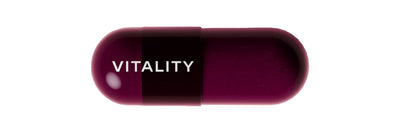
The polyphenols in Vitality by Tally Health work through antioxidant and cellular stress-resilience pathways that support overall healthy aging at the cellular level.
2. Improve Mitochondrial Health
Emerging research suggests a strong link between mitochondrial dysfunction and telomere shortening. Damaged mitochondria release more ROS, increasing oxidative stress on telomeres.
Vitality by Tally Health is formulated with longevity-focused ingredients that help support cellular energy, mitochondrial function, and DNA repair pathways—all essential for healthy, resilient cells.
3. Manage Chronic Stress
Chronic psychological stress is consistently linked to shorter telomeres. Long-term stress exposure increases oxidative damage, inflammation, and cortisol, contributing to faster telomere loss.
Mind-body practices, sleep optimization, and recovery strategies can help regulate stress biology.
4. Support DNA Repair Pathways
DNA double-strand breaks accumulate as we age, and dysfunctional telomeres struggle to recruit DNA repair proteins. Lifestyle changes that support:
Sleep
Nutrient sufficiency
Movement
Metabolic health
all help bolster the body’s natural repair systems.
5. Engage in Regular Physical Activity
Exercise improves metabolic health, reduces oxidative stress, and supports the regenerative capacity of tissues. Studies show that physically active adults tend to have longer telomeres compared to those who are sedentary.
The Future of Telomere Science

Image from Tally Health
Telomere research is advancing quickly. Key emerging areas include:
Telomeric repeat-containing RNA (TERRA)
Telomere binding proteins
Stem cell telomere preservation
Telomerase-based therapies in mice
How mitochondrial stress signals regulate telomere length
The role of telomeres in senescent glial cells, neurodegeneration, and cognitive aging
In mice, activating telomerase delays aging, improves tissue function, and increases lifespan—but this remains early-stage and not applicable to humans yet.
Even so, understanding human telomere biology helps us better understand how to promote healthy aging.
The Bottom Line: Telomeres Are a Window Into Cellular Aging

Image from Tally Health
Your telomeres partially reflect the cumulative impact of:
DNA damage
Oxidative stress
Inflammation
Life habits
Biological stressors
Underlying health
While we can’t stop telomere shortening entirely, we can influence the rate of telomere shortening by supporting mitochondrial health, reducing oxidative stress, staying active, and nourishing the body at a cellular level.
Supporting healthy cells leads to better aging—and telomeres are a meaningful part of that picture.
References
- Huang et al. The relationship between telomere length and aging-related diseases. Clin Exp Med 2025; https://doi.org/10.1007/s10238-025-01608-z
- López-Otín et al. Hallmarks of aging: An expanding universe. Cell 2023; https://doi.org/10.1016/j.cell.2022.11.001
- Vaiserman and Krasnienkov. Telomere Length as a Marker of Biological Age: State-of-the-Art, Open Issues, and Future Perspectives. Front Genet 2021; https://doi.org/10.3389/fgene.2020.630186
- Schellnegger et al. Unlocking longevity: the role of telomeres and its targeting interventions. Front Aging 2042; https://doi.org/10.3389/fragi.2024.1339317
- Saretzki. Telomeres, Telomerase and Ageing. Subcell Biochem 2018; https://doi.org/10.1007/978-981-13-2835-0_9
What are telomeres and why do they matter for aging?
Telomeres are repetitive sequences of telomeric DNA that protect the ends of chromosomes, similar to the plastic tips on shoelaces. They help maintain genomic stability, DNA replication accuracy, healthy cell division, and resistance to DNA damage. When telomeres become too short, cells enter cellular senescence, contributing to aging.
What causes telomeres to shorten over time?
Telomeres shorten naturally with each round of cell division, but the process accelerates due to oxidative stress, chronic inflammation, poor sleep, smoking, inactivity, and chronic stress. Reactive oxygen species (ROS) are especially harmful, and oxidative stress shortens telomeres more rapidly than natural aging alone.
Can anything help support or maintain telomere length?
While we can’t stop shortening entirely, research shows that factors like reducing oxidative damage, improving mitochondrial health, managing chronic stress, supporting DNA repair pathways, and engaging in regular physical activity can help slow telomere shortening. Ingredients in Vitality by Tally Health also support antioxidant pathways, mitochondrial function, and cellular repair.