Most people associate protein supplements with barbells, bulking, and strength training. It’s true—protein is essential for muscle growth, repairing tissue, and building lean mass. But what if your workout routine is mostly built around running, hiking, cycling, yoga, swimming, or long walks?
If you’re not lifting weights, do you need supplemental protein? Or is adding protein shakes, high-protein foods, or protein powders just extra calories?
The short answer: Yes, cardio athletes benefit from protein—more than most people think.
Here’s the science behind why, how much you may need, and how to calculate your protein intake for endurance training.
Why Protein Matters—Even If You’re Not Lifting Weights
Whether you’re strength training or logging miles on the trail, your body still relies on nine essential amino acids to repair tissues, support the immune system, maintain muscle mass, and help with energy metabolism.
Cardio may not feel “muscle-intensive,” but endurance training places real stress on muscle fibers. Research shows that regular cardio can increase muscle protein breakdown—meaning healthy adults still require adequate dietary protein to preserve lean tissue.
Key reasons cardio athletes need protein:
Muscle recovery: Running and hiking cause micro-tears in muscle fibers, just like resistance training.
Preserving lean mass: Without enough protein, the body may break down existing muscle for fuel.
Energy production: Amino acids help maintain metabolic flexibility and mitochondrial function.
Healthy aging: Adequate protein helps reduce age-related muscle loss, thereby helping preserve long-term cardiovascular fitness.
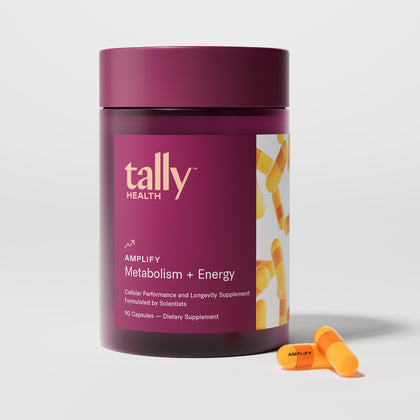
And because Amplify by Tally Health supports cellular energy, metabolism, and mitochondrial health, pairing your cardio routine with adequate protein plus Amplify or another targeted supplement can help optimize both performance and recovery.
How Much Protein Do Cardio Athletes Need?

Image from Tally Health
The recommended dietary allowance (RDA) for protein is 0.8 grams of protein per kilogram of body weight. But this guideline was designed to prevent deficiency—not optimize performance, energy, or muscle preservation.
Most research recommends a higher daily protein intake for active people:
1.2–1.6 g of protein per kilogram of body weight for endurance athletes
~0.5–0.75 grams of protein per pound of body weight (some individuals, including body-builders, go further with ~1 gram of protein per pound of body weight)
This helps ensure you get enough protein to repair tissue, maintain lean muscle, and support metabolic health. As an added plus, protein tends to be more filling than other macronutrients like carbs.
Example:
A 150-lb runner (68 kg) typically needs 82–109 grams of protein per day
Does Eating More Protein Lead to “Extra Calories”?

Image from Tally Health
Not necessarily.
Protein is the most satiating macronutrient; it helps control appetite, supports weight loss goals, and maintains blood sugar stability. Compared with foods high in refined carbohydrates or fat , protein helps reduce overeating later in the day.
Plus, the body doesn’t “store protein” as easily as it stores fat or carbs. Much of the amino acid pool is constantly used for repair, energy metabolism, enzyme function, and hormone production.
What About Kidney Health? Can Healthy Adults Eat More Protein Safely?
Research shows that higher-protein diets are safe for healthy individuals. Concerns about chronic kidney disease mostly apply to people with existing kidney dysfunction.
If you are concerned, work with your healthcare provider—but healthy adults can safely consume higher daily protein intake without issues.
Best Protein Sources for Cardio Athletes

Image from Tally Health
You can meet your daily protein requirements through whole foods, supplements, or a combination of both.
High-quality protein foods include:
Animal protein:
Lean meats (like chicken and turkey)
Fish
Eggs
Yogurt
Cottage cheese
Certain full-fat dairy (as tolerated)
Plant-based protein sources:
Split peas
Lentils
Beans
Whole grains
Nuts and seeds (like sunflower seeds and sesame seeds)
Soy products
High-protein plant-based meals and snacks
Protein bars and protein shakes can help fill gaps—especially if you skip meals, have a busy schedule, or struggle to hit protein requirements through solid foods alone.
Should You Use Protein Powder If You Only Do Cardio?

Image from Tally Health
Yes—if you struggle to get enough protein through food alone.
You might benefit from protein supplements if:
You’re hungry all the time after long cardio sessions
You experience frequent soreness
You notice declining muscle mass or performance
You have difficulty meeting protein needs as a plant-based eater
You’re over 40 and noticing slower recovery
You’re trying to preserve muscle mass while you lose weight
Pairing your cardio routine with a consistent protein strategy plus Amplify by Tally Health can help support mitochondrial energy output and metabolic resilience—two key systems that endurance athletes rely on heavily.
How to Calculate Your Protein Intake

Image from Tally Health
Use this simple formula:
Body weight (kg) × 1.2–1.6 g protein
or
Body weight (lbs) × 0.5–0.75 g protein
This gives you a grams-of-protein per day target to support energy, muscle repair, and endurance performance.
The Bottom Line: Cardio Athletes Need Protein, Too

Image from Tally Health
Even if you never touch a dumbbell, your body requires consistent, high-quality protein to maintain muscle, support endurance training, and keep your metabolism healthy.
Protein helps cardio athletes:
Recover better
Maintain lean mass
Control hunger
Support the immune system
Stabilize daily energy
Perform at their best
If you’re logging miles, climbing hills, or doing long cardio sessions, you’ll likely benefit from increasing your daily protein intake—through whole foods, protein powders, or both.
And for an additional boost in energy and metabolic function, Amplify by Tally Health can help support the cellular processes that power your cardio practice from within.
References
Zhao et al. The effect of protein intake on athletic performance: a systematic review and meta-analysis. Front Nutr 2024; https://doi.org/10.3389/fnut.2024.1455728
Kreider and Campbell. Protein for exercise and recovery. Phys Sportsmed 2009; https://doi.org/10.3810/psm.2009.06.1705
Lin et al. Protein supplementation increases adaptations to endurance training: A systematic review and meta-analysis. Clin Nutr 2021; https://doi.org/10.1016/j.clnu.2020.12.012
Reljic et al. Protein Supplementation Increases Adaptations to Low-Volume, Intra-Session Concurrent Training in Untrained Healthy Adults: A Double-Blind, Placebo-Controlled, Randomized Trial. Nutrients 2024; https://doi.org/10.3390/nu16162713
Gieske et al. Metabolic impact of protein feeding prior to moderate-intensity treadmill exercise in a fasted state: a pilot study. J Int Soc Sports Nutr 2018; https://doi.org/10.1186/s12970-018-0263-6
Do cardio athletes need protein even if they don’t lift weights?
Yes. Cardio athletes benefit from protein because endurance training still causes muscle fiber stress and increases muscle protein breakdown. Protein supports muscle recovery, preserves lean mass, helps with energy production, and promotes healthy aging.
How much protein should runners, hikers, and other endurance athletes eat?
Most research recommends 1.2–1.6 g of protein per kilogram of body weight (or 0.5–0.75 g per pound) for endurance athletes. This amount helps repair tissue, maintain muscle, and support metabolic health. For example, a 150-lb runner typically needs 82–109 grams of protein per day.
Does eating more protein lead to extra calories or weight gain?
Not necessarily. Protein is the most satiating macronutrient, helps control appetite, supports weight loss goals, and maintains blood sugar stability. The body also doesn’t store protein as easily as it stores fat or carbohydrates, since amino acids are constantly used for repair and energy metabolism.