Why do we age? For decades, aging researchers have explored this question using animal and cellular models, uncovering the complex cellular and molecular hallmarks that drive both normal aging and accelerated aging syndromes. Today, scientists have aligned on at least 12 hallmarks of aging—interconnected biological processes that contribute to age-related decline, chronic inflammation, reduced mitochondrial function, stem cell exhaustion, and the onset of age-related diseases like cardiovascular disorders and Alzheimer’s disease.
Understanding these hallmarks doesn’t necessarily clarify how aging works. It does, however, reveal where interventions—nutrition, lifestyle, targeted supplements, and emerging longevity tools—can help support better healthy aging and potentially delay normal aging.
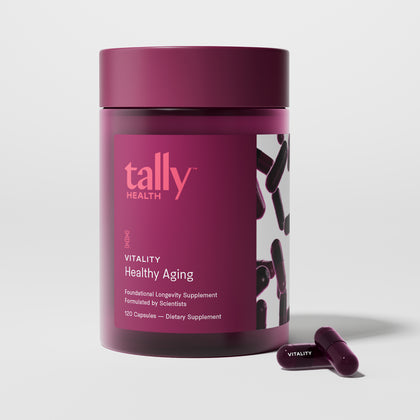
This is exactly what the Tally Health membership is designed to do: help you understand what’s driving how you’re aging, then support measurable improvement with science-backed, personalized guidance.
Let’s break down the 12 hallmarks of aging, how they interact, and why they matter for long-term health.
1. Genomic Instability

Image from Tally Health
Throughout life, our DNA experiences constant damage—from radiation, pollutants, metabolic byproducts, and normal cellular processes. When genome stability declines, DNA repair mechanisms can’t keep up. This accumulation of damage influences aging by:
Affecting essential genes
Compromising cellular function
Increasing susceptibility to age-associated diseases
Genomic instability is a primary driver of both normal human aging and numerous premature aging diseases.
2. Telomere Attrition (Telomere Shortening)

Image from Tally Health
Telomeres are protective caps at the ends of chromosomes. Over time, with repeated cell division, they shorten—a process known as telomere attrition.
Shortened telomeres:
Increase cell senescence
Reduce regenerative capacity
Contribute to accelerated aging
In telomerase-deficient mice, lengthened telomeres exhibit decreased markers of aging, highlighting their importance in the aging process.
3. Epigenetic Alterations

Image from Tally Health
Epigenetics controls how genes are switched on or off. With age, DNA methylation patterns, histone modifications, and chromatin remodeling factors shift, leading to transcriptional alterations affecting metabolic pathways, cell growth, and repair.
Because epigenetic shifts strongly correlate with chronological age, this hallmark is a major focus of modern aging research.
4. Loss of Proteostasis (Impaired Protein Homeostasis)

Image from Tally Health
Healthy cells rely on tightly regulated protein folding, recycling, and clearance. Over time:
Proteins misfold
Cleanup systems weaken
Toxic aggregates accumulate
These changes are linked to neurodegenerative diseases such as Alzheimer’s and Parkinson’s.
5. Deregulated Nutrient Sensing

Image from Tally Health
Cells rely on metabolic and signaling pathways (like mTOR, AMPK, and insulin signaling) to sense nutrients. With age, these pathways become dysregulated.
Examples include:
Anabolic signaling accelerates aging via mTOR overactivation
Dietary restriction may delay normal aging by restoring balance
Changes in insulin/IGF-1 signaling influence longevity in both young and old tissues
This hallmark reveals how fasting, nutrient timing, and metabolic health influence aging biology.
6. Mitochondrial Dysfunction

Image from Tally Health
Mitochondria are the cell’s powerhouses—and their decline is a defining feature of organismal aging.
Aging mitochondria produce fewer beneficial mitochondrial proteins and more reactive oxygen species (ROS), contributing to:
Lower energy production
Higher oxidative stress
Increased risk of age-related disease
Mitochondrial DNA mutations and nutrient-sensing changes further accelerate dysfunction.
7. Cellular Senescence

Image from Tally Health
Cells don’t divide indefinitely. When they accumulate enough damage, they enter cellular senescence—a state of permanent cell cycle arrest.
Over time, senescent cells build up in tissues and secrete inflammatory molecules known as the senescence-associated secretory phenotype (SASP), which drives:
Tissue degeneration
Chronic inflammation
Premature aging phenotypes
Although senescent cells play important and beneficial roles in the body, reducing the burden of senescent cells is an emerging longevity strategy.
8. Stem Cell Exhaustion

Image from Tally Health
Stem cells replenish tissues—from your skin to your gut to your immune system. But with age:
Their regenerative capacity declines
DNA repair weakens
Chronic inflammation disrupts their environment
Senescent cells interfere with regulating stem cell behavior
Stem cell exhaustion reduces the body’s ability to heal, repair, and maintain organ function.
9. Altered Intercellular Communication

Image from Tally Health
Cells talk to each other through chemical signals. With age, this communication shifts due to:
Increased inflammatory signaling
Diminished immune surveillance
Hormonal changes
Senescent cell activity
This contributes to systemic issues like chronic inflammation and impaired tissue function.
10. Dysbiosis of the Gut Microbiome

Image from Tally Health
Only recently added as a critical hallmark, gut microbiome imbalance can:
Promote chronic inflammation
Influence immune function
Affect nutrient absorption
Accelerate aging
Microbial shifts are seen in both normal physiological aging and premature aging phenotypes.
11. Compromised Autophagy

Image from Tally Health
Autophagy is the cell’s recycling and cleanup process. With age, autophagy slows, allowing:
Damaged proteins
Dysfunctional mitochondria
Toxic metabolites
…to accumulate—contributing to accelerated aging and metabolic dysfunction.
12. Chronic Inflammation (“Inflammaging”)

Image from Tally Health
Low-grade, persistent inflammation is a primary risk factor for many age-related diseases. This inflammation results from:
Senescent cells
Mitochondrial dysfunction
Altered intercellular communication
Immune system decline
Inflammaging disrupts tissue integrity and amplifies many other hallmarks.
Why These Hallmarks Matter
The hallmarks don’t act in isolation—they form a network. Genomic instability accelerates telomere shortening; mitochondrial dysfunction increases senescence; deregulated nutrient sensing fuels chronic inflammation. When combined, these hallmarks explain why aging is complex but also why targeted interventions can help.
And that’s where the Tally Health membership comes in. By measuring an indicator of biological age and offering evidence-based recommendations tailored to these hallmarks, Tally Health helps you take real, measurable steps toward an extended healthy lifespan.
The Bottom Line

Image from Tally Health
The 12 hallmarks of aging—spanning DNA damage, mitochondrial decline, senescent cell buildup, and nutrient-sensing changes—represent the most comprehensive scientific model for understanding the aging process. They reveal both the complexity of normal human aging and the opportunities to influence it through lifestyle, nutrition, and targeted interventions.
While aging remains inevitable, its pace is not fixed. By addressing these hallmarks proactively, it’s possible to support healthier tissues, stronger mitochondrial function, better stem cell health, and an overall more resilient aging cell.
References
Carlos López-Otín et al. Hallmarks of aging: An expanding universe. Cell 2023; https://doi.org/10.1016/j.cell.2022.11.001
Carlos López-Otín. The hallmarks of aging. Cell 2013; https://doi.org/10.1016/j.cell.2013.05.039
What are the 12 hallmarks of aging?
The 12 hallmarks of aging are interconnected cellular and molecular processes—such as genomic instability, telomere shortening, mitochondrial dysfunction, cellular senescence, and chronic inflammation—that drive age-related decline, increase disease risk, and influence how the body ages over time.
Why do telomeres shorten as we age?
Telomeres shorten with repeated cell division over time, a process known as telomere attrition. Shortened telomeres increase cellular senescence, reduce regenerative capacity, and contribute to accelerated aging.
What is chronic inflammation in aging (“inflammaging”)?
Inflammaging is low-grade, persistent inflammation that increases with age. It results from factors like senescent cells, mitochondrial dysfunction, altered intercellular communication, and immune system decline, and it raises the risk of many age-related diseases.