Totals exclude applicable state/local taxes. Cart contains recurring purchase. You will be charged $0.00 today. Future recurring charges and billing intervals are shown at checkout. Subscriptions continue until cancelled. Contact Tally Support for additional details.
Winter Skin Science: How to Keep Your Skin Healthy in Cold Weather
Published:
Winter may be cozy, but for your skin, it can be one of the most challenging seasons of the year. Cold weather, dry air, indoor heating, and reduced humidity all work together to strip moisture from the skin, disrupt the skin barrier, and trigger common winter skin woes like dryness, flakiness, irritation, itching, and flare-ups of conditions like eczema, psoriasis, and acne.
The good news? Winter skin issues aren’t inevitable. With the right science-backed skin care strategies—and a better understanding of what’s happening beneath the surface—you can protect your skin, keep it hydrated, and maintain healthy winter skin all season long.
Let’s break down the science of winter skin and how to care for it effectively.
Why Winter Is Hard on Your Skin
Image from Tally Health
Your skin is your body’s largest organ and your first line of defense against the environment, including immune threats. In cold weather, several factors work against skin health:
Low humidity and dry winter air reduce moisture in the skin
Indoor heating further dries out the air, increasing transepidermal water loss
Cold temperatures impair the skin’s natural oils that normally protect the skin barrier
Hot showers and hot water dissolve natural oils and worsen dryness
Harsh soaps and frequent washing disrupt the skin barrier
UV rays are still present year-round, increasing the risk of UV damage and skin cancer
The result is skin that feels tight, itchy, flaky, irritated, and more sensitive—especially on the face, neck, hands, lips, legs, and scalp.
The Skin Barrier: Your Winter MVP
Image from Tally Health
At the center of winter skin care is the skin barrier—the outermost layer of the skin responsible for locking in moisture and keeping irritants out.
When the skin barrier is compromised, moisture escapes more easily, leading to dry skin, sensitivity, and inflammation (something highly relevant to aging). Supporting the barrier is the foundation of effective winter skin care.
Key ingredients that support the skin barrier include:
Glycerin – draws water into the skin
Hyaluronic acid – binds moisture to keep skin hydrated
Shea butter and natural oils – seal moisture and replenish lipids
Petroleum jelly and ointments – reduce moisture loss in severely dry areas
Using creams or thicker moisturizers (rather than lightweight lotions) helps protect the skin during periods of low humidity.
SPF Isn’t Just for Summer
Image from Tally Health
One of the biggest winter skin myths is that sunscreen isn’t necessary in cold weather.
In reality:
UV rays are present year-round, even on cloudy winter days
Snow reflects UV radiation, increasing exposure
UV damage contributes to wrinkles, premature aging, and skin cancer
Apply a broad spectrum sunscreen daily to exposed areas like the face, neck, and hands. Make sunscreen part of your winter skin care routine—just like moisturizer.
UV rays don’t disappear in winter—and snow and clouds can actually reflect UV radiation, increasing exposure. That’s why we’re including Dune Suncare’s Mug Guard Facial Sunscreen with purchases of two supplements, while supplies last. Lightweight, hydrating, and designed for daily wear, it makes applying broad spectrum sunscreen an effortless part of your winter skin care routine.
Niacinamide, NAD+, and Skin Health
Image from Tally Health
One often-overlooked factor in skin health is what’s happening at the cellular level.
Niacinamide, a flush-free form of vitamin B3, plays a critical role in skin barrier function, inflammation regulation, and overall skin health. It also serves as a precursor to NAD+ (nicotinamide adenine dinucleotide)—a molecule essential for cellular energy and DNA repair that is germane to healthy aging.
Research shows that niacinamide can:
Support the skin barrier
Improve skin hydration
Reduce irritation and sensitivity
Help regulate oil production (beneficial for acne-prone skin)
Support skin resilience against environmental stressors
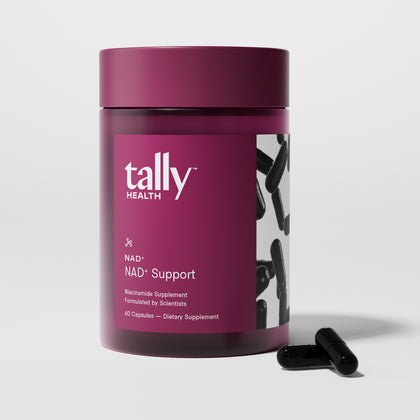
Tally Health’s NAD+ supplement contains 1,000 mg of niacinamide across two capsules, providing systemic support for NAD+ levels throughout the body—including the skin. While topical skin care products work from the outside in, cellular health and NAD+ support work from the inside out, addressing skin health at its biological foundation.
Moisturizing the Right Way in Winter
Applying moisturizer correctly is just as important as choosing the right one.
Winter skin care tips:
Apply moisturizer immediately after washing or showering to lock in moisture
Use creams or ointments for very dry or flaky skin
Apply moisturizer to hands frequently, especially after using alcohol-based hand sanitizer
Wear cotton gloves overnight after applying hand cream for deeper hydration
Don’t forget the neck, lips, legs, and scalp
For lips, use a thick lip balm with occlusive ingredients like petroleum jelly to prevent cracking and irritation.
Rethinking Cleansing and Bathing
Image from Tally Health
Many winter skin problems start in the shower. To prevent dry skin:
Limit showers to 5–10 minutes
Use lukewarm—not hot—water
Avoid harsh soaps and fragranced cleansers
Choose gentle, moisturizing cleansers
Pat skin dry instead of rubbing
Frequent bathing and washing with hot water strips away natural oils, worsening dryness and itching.
Exfoliation: Proceed with Caution
Image from Tally Health
While exfoliation can help remove flaky skin, overdoing it in winter can damage the skin barrier.
Use gentle exfoliants like glycolic acid or salicylic acid sparingly
Avoid harsh scrubs on sensitive skin
Reduce exfoliation frequency during cold months
If you have eczema, psoriasis, or very sensitive skin, consult a dermatologist before using exfoliating treatments.
Supporting Skin Hydration from the Inside Out
Topical skin care products are essential, but internal hydration matters too.
Drink adequate water throughout the day
Eat healthy fats that support skin’s natural oils
Support cellular health through nutrients involved in energy production and repair
Skin hydration is influenced by both external moisture and internal health—especially during winter when the skin is under greater stress.
When to See a Dermatologist
Image from Tally Health
If you’re dealing with persistent irritation, itching, cracking, acne flare-ups, or worsening conditions like eczema or psoriasis, it may be time to consult a dermatologist. Some common skin conditions require targeted treatments beyond over-the-counter products.
The Takeaway: Science-Backed Winter Skin Care
Image from Tally Health
Healthy winter skin isn’t about complicated routines—it’s about protecting the skin barrier, maintaining moisture, supporting cellular health, and minimizing environmental damage.
Key winter skin science principles:
Protect the skin barrier
Moisturize consistently
Avoid harsh soaps and hot water
Apply sunscreen year-round
Support skin health at the cellular level with nutrients like niacinamide
With the right habits—and a deeper understanding of how winter affects your skin—you can protect, strengthen, and support healthy skin all season long.
Support Your Skin From the Inside Out
Cold weather challenges your skin barrier—but cellular health matters, too. Tally Health’s NAD+ provides 1,000 mg of niacinamide to support NAD+ production, helping fuel the biological processes behind healthy, resilient skin all winter long.
References
Park et al. Effects of winter indoor environment on the skin: Unveiling skin condition changes in Korea. Skin Res Technol 2023; https://doi.org/10.1111/srt.13397
Assaf and Kelly. Nutritional Dermatology: Optimizing Dietary Choices for Skin Health. Nutrients 2024; https://doi.org/10.3390/nu17010060
Pontius and Smith. An antiaging and regenerative medicine approach to optimal skin health Facial Plast Surg 2011; https://doi.org/10.1055/s-0030-1270416
Cold weather, low humidity, and indoor heating strip moisture from the skin and weaken the skin barrier. This increases transepidermal water loss and leads to dryness, flakiness, itching, irritation, and flare-ups of conditions like eczema, psoriasis, and acne.
Do I really need to wear sunscreen in the winter?
The most effective, science-backed ways include regular exercise, a healthy diet, quality sleep, reducing chronic inflammation, supporting metabolic health, protecting skin from UV damage, avoiding harmful habits, and using targeted supplementation wisely.
How does niacinamide support skin health, especially in winter?
Niacinamide (vitamin B3) supports the skin barrier, improves hydration, reduces irritation, and helps regulate oil production. It also acts as a precursor to NAD+, a molecule essential for cellular energy and DNA repair, supporting skin health from the inside out during periods of increased winter stress.
We noticed you have an existing account with Tally. Add products to your existing subscription by going to Manage My Plan within your Account settings.
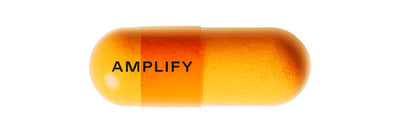
Want more energy? This supplement is designed to boost metabolism and cellular energy while optimizing mitochondrial function.
What Amplify is made of:
Glycine
1,000mg
Berberine
600mg
Coenzyme Q10
200mg
What Amplify does:
Increases NAD+
Supports healthy metabolism
Boosts muscle recovery
Suggested Use:
Take three capsules daily, with food, to help promote metabolism and energy.
Meet Defend
Defend is designed to promote a healthy, vibrant immune system while simultaneously targeting immune-related aging hallmarks.
What Defend is made of:
Quercetin
500mg
Vitamin C
90mg
Beta-glucan
30mg
Zinc
11mg
Vitamin D3
1000IU
What Defend does:
Reduces inflammaging
Offer protection against acute respiratory infections
Help decrease the duration of respiratory infections
Stimulate the activity of white blood cells, which fight infection and repair normal cell function
Suggested Use:
Take 2 capsules daily with food (including a healthy fat).
Meet NAD+
NAD+ is designed to help elevate NAD+ levels to fuel key cellular functions that support healthy aging.
What NAD+ is made of:
Niacinamide
1000mg
What NAD+ does:
Promotes mitochondrial energy production and metabolism
Helps protect against oxidative stress
Maintains skin health
Supports sirtuin proteins
Suggested Use:
Take 2 capsules daily with food.
Meet Restore
Support healthy aging as you sleep. This supplement will help you fall asleep and stay asleep so you wake up refreshed and recharged.
What Restore is made of:
Magnesium bisglycinate chelate complex
250mg
L-theanine
200mg
Apigenin
50mg
What Restore does:
Enhances sleep quality
Makes it easier to fall asleep
Improves restless leg syndrome
Supports restorative sleep
Promotes relaxation
Helps relieve anxiety
Promotes a positive mood
Suggested Use:
As needed, take three capsules 30-60 minutes before bed.
Meet Sharpen
Sharpen is the key to unlock better memory, clearer thinking, and improved focus as you age. Keep your mind sharper, for longer.
What Sharpen is made of:
Taurine
1000mg
Choline
200mg
Vitamin B6
1.7mg
L-methylfolate
400mcg DFE
Vitamin B12
2.4mcg
What Sharpen does:
Supports long-term cognitive health, brain aging, and overall performance
Lowers a risk factor for dementia by decreasing homocysteine levels
Supports cholinergic signaling, essential for the encoding of memories
Promotes aspects of focus and performance
Suggested Use:
Take 2 capsules daily, with food.
Meet Vitality
Slow aging at a cellular level. This supplement is designed to target all 12 hallmarks of biological aging.
What Vitality is made of:
Calcium Alpha-Ketoglutarate
1,000mg
Quercetin
500mg
Trans-resveratrol
500mg
Fisetin
50mg
Spermidine
900mcg
What Vitality does:
Induces autophagy
Maintains your epigenome
Removes senescent “zombie” cells
Activates sirtuins and repair processes
Suggested Use:
Take four capsules daily, with food (preferably including a healthy fat), to help promote your body's defense against aging.
Membership Benefits
Every six months, we’ll send you a TallyAge™ Test to measure your progress and improve your personalized action plan. Along the way, we’ll send our daily Vitality supplement and help you make powerful changes to unlock deeper health and vitality, for an even better you.
Bi-Annual Testing
Simply swab your cheek and drop the test kit in your mailbox. Our lab team will take care of the rest. Our TallyAge™ metric, developed from the world’s most comprehensive DNA methylation dataset of adult cheek cells, is an indicator of how you're aging on a biological level.
Personalized Recommendations
The results are in. You’ll get accurate insights into your biological health and aging - plus, a personalized action plan that highlights the high impact changes you can make to your lifestyle and daily habits to slow aging. Each recommendation is backed by efficacy data from groundbreaking research. All available, at the touch of a button, through Tally Health’s intuitive digital platform.