You eat relatively well. You try to stay active. You get decent sleep most nights. So why do you still feel tired, puffy, or just… off?
For many people, the answer lies in something subtle but powerful: chronic, low-grade inflammation. Unlike acute inflammation, which helps your body heal, this slow-burning form can build over time, often without obvious warning signs. Scientists call this process inflammaging, and it plays a meaningful role in how we age. In fact, it’s a bona fide hallmark of aging.
The good news? Many of the daily habits that cause inflammation are within your control. Small shifts in your routine can have a meaningful impact on how your body feels and functions over time.
Let’s take a closer look.
What is chronic inflammation, and why does it matter?

Image from Tally Health
Inflammation is part of your immune system’s natural defense. When you get a cut or infection, your body activates inflammatory pathways to repair damage.
But when inflammation becomes constant, even at low levels, it can begin to work against you.
This is where chronic inflammation comes in. Over time, it has been linked to:
Fatigue and low energy
Weight gain and metabolic changes
Increased risk of cardiovascular disease
Accelerated cellular aging
This ongoing immune activation is one of the core drivers of inflammaging, influencing how quickly your body ages on a cellular level.
1. Poor sleep habits

Image from Tally Health
Sleep is one of the most important regulators of inflammation.
Consistently getting less than 7 hours per night can increase inflammatory markers and disrupt immune function. Poor sleep also affects hormones that regulate hunger and stress, which can further contribute to inflammation and weight gain.
What to do:
Aim for 7–9 hours of sleep per night
Keep a consistent sleep schedule
Limit late-night screen exposure
2. Chronic stress

Image from Tally Health
Stress isn’t just mental. It’s biological.
When stress becomes chronic, your body produces elevated levels of cortisol. Over time, this can dysregulate your immune system and increase inflammatory signaling.
This is one reason many people experience inflammation and fatigue together.
What to do:
Incorporate daily stress management practices like walking, meditation, or breathwork
Prioritize recovery as much as productivity
3. Sedentary lifestyle

Image from Tally Health
Long periods of sitting can contribute to lifestyle causes of inflammation, even if you exercise occasionally.
Movement helps regulate immune function, improve circulation, and reduce inflammatory markers.
What to do:
Break up sitting every 30–60 minutes
Aim for a mix of strength training and aerobic activity
Even light movement, like walking, makes a difference
4. Highly processed foods

Image from Tally Health
Diets high in ultra-processed foods, added sugars, and refined carbohydrates are strongly associated with causes of chronic inflammation.
These foods can increase oxidative stress and disrupt gut health, both of which contribute to inflammation.
What to do:
Focus on whole, nutrient-dense foods
Include fruits, vegetables, healthy fats, nuts, seeds, and lean proteins
Reduce intake of highly processed snacks and sugary beverages
5. Excess alcohol consumption

Image from Tally Health
Alcohol can disrupt gut integrity and increase inflammatory responses, especially when consumed regularly in higher amounts.
Over time, this contributes to habits that increase inflammation and can impact liver and immune health.
What to do:
Practice moderation
Incorporate alcohol-free days each week
Avoid sugar-rich cocktails
6. Poor gut health

Image from Tally Health
Your gut plays a central role in regulating inflammation.
An imbalance in gut bacteria can increase intestinal permeability, sometimes referred to as “leaky gut,” allowing inflammatory compounds to enter circulation.
This is one of the lesser-known lifestyle causes of inflammation.
What to do:
Eat fiber-rich foods like vegetables, legumes, and whole grains
Include fermented foods when possible
Limit excessive sugar and processed foods
7. Environmental and lifestyle overload

Image from Tally Health
Chronic inflammation can be subtle. Some of the most common symptoms of high inflammation in the body include:
Persistent fatigue
Brain fog
Joint discomfort
Digestive issues
Unexplained weight gain
If these feel familiar, your daily routine may be playing a larger role than you think.
The big picture: small habits, long-term impact

Image from Tally Health
Inflammation doesn’t happen overnight. It builds gradually through daily patterns.
The encouraging part is that the reverse is also true.
Small, consistent changes in your inflammation and daily routine can help support a healthier immune response, better energy, and more resilient aging.
You don’t need perfection. You need consistency.
Cool the flame, support your future

Image from Tally Health
Your daily habits shape your long-term health. But sometimes, your body needs additional support.
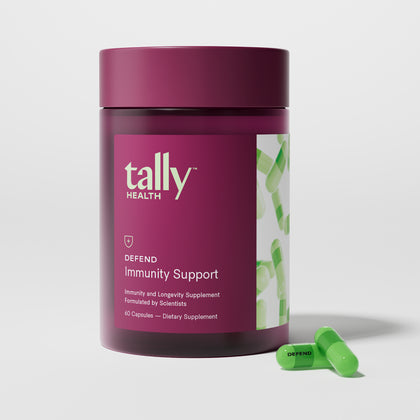
Defend is designed to promote a healthy, balanced immune response while targeting key drivers of inflammaging. It supports healthy white blood cell activity and helps your body stay resilient over time.
Support your longevity routine with Defend.
What are the most common daily habits that cause inflammation?
Common habits include poor sleep, chronic stress, lack of movement, processed food intake, and excess alcohol consumption. These behaviors can contribute to chronic inflammation over time.
What are signs of chronic inflammation in the body?
Signs of chronic inflammation include fatigue, brain fog, joint discomfort, digestive issues, and unexplained weight gain. These symptoms often develop gradually.
Why do I feel inflamed all the time?
Persistent inflammation is often linked to lifestyle factors such as stress, poor diet, lack of sleep, and sedentary behavior. Addressing these daily habits can help reduce inflammation.
References
López-Otín et al. Hallmarks of aging: An expanding universe. Cell 2032; https://doi.org/10.1016/j.cell.2022.11.001
Dugan et al. Inflammaging as a target for healthy ageing. Age Ageing 2023; https://doi.org/10.1093/ageing/afac328
Singh et al. Aging and Inflammation. Cold Spring Harb Perspect Med 2024; https://doi.org/10.1101/cshperspect.a041197
Santoro et al. Immunosenescence and inflammaging in the aging process: age-related diseases or longevity? Ageing Res Rev 2021; https://doi.org/10.1016/j.arr.2021.101422
Andonian et al. Inflammation and aging-related disease: A transdisciplinary inflammaging framework. Geroscience 2025; https://doi.org/10.1007/s11357-024-01364-0