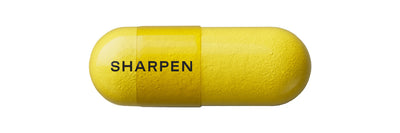
Choline might not be a household name, but it plays an important role in maintaining cognitive health as you age. Yet, nearly 90% of people aren’t getting an optimal amount [1]. Although your liver produces some choline, it falls short of meeting your body’s demands [2]. This means the ideal way to optimize choline is through diet (choline-rich foods include eggs, fish, quinoa, and soybeans) or supplementation. Dietary sources of choline include animal-based foods such as meat, eggs, and fish, as well as plant-based options like cruciferous vegetables and beans, which are important for meeting daily intake recommendations.
Curious why our longevity scientists included choline in our cognitive support supplement, Sharpen? Discover how this powerful nutrient promotes brain health so you can live healthier and sharper, longer.
What is Choline? An Introduction to a Vital Nutrient

Image from Tally Health
Choline is an essential nutrient that your body needs for a wide range of critical functions, from supporting healthy liver function to powering your brain and muscles. While it’s neither a vitamin nor a mineral, choline is often grouped with the B vitamins because of its similar roles in metabolism and cellular health. Your liver can produce small amounts of choline, but not nearly enough to meet your body’s needs—making dietary intake crucial for preventing choline deficiency. Recognizing its importance, the Institute of Medicine officially classified choline as a required nutrient in 1998. Today, choline is considered a vital nutrient for human health, playing a key role in everything from cell structure to nerve signaling and energy production.
Fuel for thought: Choline, an essential nutrient, and its brain-boosting benefits

Image from Tally Health
Research suggests your brain’s capacity to retain memories, maintain sharpness, and perform optimally depends on a critical player: choline. This compound is used to produce acetylcholine, a neurotransmitter crucial for memory and learning. Choline promotes the synthesis of acetylcholine, and the enzyme choline acetyltransferase catalyzes the conversion of choline to acetylcholine in the brain. Research indicates that individuals with dementia and Alzheimer’s disease have lower levels of both choline and acetylcholine compared to healthy individuals [3]. This deficiency is significant enough that many medications targeting dementia work by increasing acetylcholine levels in the brain. Consuming approximately 400 mg of choline daily is associated with a 50% reduction in the risk of cognitive decline [4].
Additionally, choline has been reported to offer numerous other neurocognitive and physiological benefits:
Enhances working memory and processing speed in individuals with lower baseline cognitive performance [5].
Improves learning, processing speed, and sustained attention in elderly adults [6].
Boosts visuomotor performance in healthy individuals [7].
Augments verbal memory in older adults without dementia [8].
The full-body benefits of choline

Image from Tally Health
Choline plays an indispensable role in keeping your body running at its best, supporting these key processes essential to your overall health:
As one of the primary methyl donor nutrients, choline is essential for DNA methylation and gene regulation, which are critical for healthy development, epigenetic regulation, and cellular function.
Additionally, choline metabolites, such as phosphocholine, ceramide, and platelet-activating factor (PAF), play important roles in cell signaling and other cellular processes.
Cellular health
Choline maintains the structural integrity of cell membranes, primarily through its role in synthesizing phosphatidylcholine, a key component of these membranes. This process ensures proper cell signaling, nutrient transport, and repair, which supports overall cellular health and function [9]. Optimal choline concentrations are necessary to maintain healthy cellular function and signaling. Inadequate choline levels can compromise cell membrane integrity and disrupt intercellular communication, potentially leading to inflammation, immune dysfunction, and impaired healing.
Gut health
Recent studies indicate that choline affects the composition and function of the gut microbiome [10]. A diet deficient in choline may lead to adverse shifts in gut microbial populations, which can result in dysbiosis (one of the 12 hallmarks of aging) and negatively impact digestive health and immune function. Conversely, higher choline consumption has been associated with increased beneficial gut bacteria, such as Lactobacillus and Bifidobacterium [11].
Cardiovascular health
Choline helps regulate the amino acid homocysteine, a byproduct of metabolism that, when elevated, is linked to an increased risk of heart disease, dementia, and stroke. By converting homocysteine to methionine, an essential amino acid, choline supports the maintenance of healthy homocysteine levels, thereby reducing cardiovascular risk. Plasma free choline levels are sometimes measured as a biomarker to assess both cardiovascular and cognitive health. Research indicates that higher dietary choline intake is linked to a lower risk of cardiovascular disease [12].
Liver health and choline deficiency
Without adequate choline, fat accumulates in the liver, leading to non-alcoholic fatty liver disease (NAFLD) and potentially liver damage [13]. Choline deficiency can result in liver dysfunction and, over time, may increase the risk of liver cancer. Dietary phosphatidylcholine is important for preventing liver fat accumulation and supporting overall liver health. Adequate choline intake is essential for preventing liver disease, as insufficient intake—whether due to a choline deficient diet or dietary choline deficiency—is associated with an increased risk of liver-related diseases. Choline also affects gene expression by altering epigenetic markers on DNA and histones, influencing pathways related to liver health and disease prevention.
Muscle function
Adequate choline levels ensure that muscles receive the necessary signals for contraction, making it essential for optimal muscle function and performance. One study found that low choline intake reduced strength and lean mass gains following 12 weeks of resistance training in older adults [14].
The choline-longevity connection

Image from Tally Health
Higher choline intake has been linked to lower all-cause mortality risk [15] and disease risk. Studies examining total choline intakes have found significant associations between higher total choline intakes and reduced risk of chronic diseases. In fact, for every additional 100mg of choline, there’s a 23% reduced risk of colon cancer and a 9% reduced risk of cardiovascular disease. Research also shows that higher dietary intake of choline is associated with improved health and longevity.
Many of these findings are based on studies in healthy adults, where both dietary choline intakes and overall choline intakes are important factors in population health studies. Plasma choline concentrations are sometimes used as biomarkers in research on choline and longevity, helping to assess nutritional status and disease risk.
We also know that choline plays an important role in supporting brain health and memory. People with mild cognitive impairment not only experience faster brain aging but also have a shorter life expectancy compared to those without [16, 17]. In a world where brain health conditions contribute to 150 million lost years globally [18], prioritizing choline intake can be a simple yet potentially powerful step toward feeling sharper and healthier, longer.
Are You Getting Enough? Health Risks of Choline Deficiency
Choline deficiency is more common than many realize — with nearly 90% of Americans falling short of optimal levels . When choline levels are low, the effects can ripple through multiple systems in the body. Signs of deficiency may include memory issues , muscle fatigue , and even fat buildup in the liver , which can progress to non-alcoholic fatty liver disease (NAFLD). Over time, inadequate choline can also contribute to elevated homocysteine , increasing the risk for cardiovascular disease , neurodegeneration , and accelerated aging . Given its impact on cognition, metabolism, and cellular repair, maintaining sufficient choline is vital — especially as you age.
Eat Smart: Choline-Rich Foods and How to Add Them to Your Diet

Image from Tally Health
Optimizing your choline intake starts on your plate. Some of the best dietary sources include:
Eggs (especially the yolks)
Salmon and cod
Chicken and turkey
Quinoa
Soybeans and tofu
Broccoli, Brussels sprouts, and cauliflower
Try scrambling eggs with sautéed broccoli, tossing quinoa and chickpeas into a salad, or swapping meat for tofu in stir-fries. For plant-based eaters, combining multiple sources (like soy, cruciferous vegetables, and whole grains) is key to closing the choline gap. And for those who still fall short, targeted supplementation — like the 200 mg of choline in Sharpen by Tally Health — offers a convenient and effective solution.
Who’s at Risk? Groups Prone to Choline Inadequacy
While everyone needs choline, some groups are more likely to fall short. Pregnant women require higher amounts of choline to support fetal development, and postmenopausal women may also be at increased risk of choline deficiency due to changes in hormone levels that affect choline metabolism. Patients receiving parenteral nutrition—nutrition delivered intravenously—are another group at risk, as many commercial solutions lack adequate choline. Additionally, individuals with certain genetic variations that impact choline metabolism, as well as those following strict vegetarian or vegan diets, may struggle to get enough choline from food alone. Recognizing these risk factors can help you take proactive steps to ensure choline adequacy.
Choline supplements and supplementation

Image from Tally Health
Looking to add more Choline to your diet to support brain health? Tally Health’s cognitive wellness and longevity supplement, Sharpen, contains 200 mg of Choline to help enhance working and verbal memory and promote focus and cognitive performance in one daily dose.
Choline supplements are available in various forms, including choline chloride and choline bitartrate, each with different bioavailability and choline content. The adequate intake for choline is set to help guide supplementation and dietary planning, while the tolerable upper intake level has been established to prevent side effects. Excessive choline supplementation can cause side effects such as fishy body odor and low blood pressure, and may affect blood pressure regulation.
What is choline and why is it important?
Choline is an essential nutrient that your body needs for a wide range of critical functions, including healthy liver function, brain performance, and muscle activity. Although your liver produces small amounts, dietary intake is necessary to meet your body’s needs. Choline is vital for cell structure, nerve signaling, and energy production.
How does choline support brain health?
Choline is used to produce acetylcholine, a neurotransmitter crucial for memory and learning. Individuals with dementia and Alzheimer’s disease often have lower levels of both choline and acetylcholine. Studies show that consuming around 400 mg of choline daily is associated with a 50% reduction in the risk of cognitive decline.
What are the signs of choline deficiency?
Choline deficiency can lead to memory issues, muscle fatigue, and fat accumulation in the liver, which may progress to non-alcoholic fatty liver disease (NAFLD). Long-term inadequacy can also raise homocysteine levels, increasing the risk of cardiovascular disease, neurodegeneration, and accelerated aging.
Recommended Supplements
Citations
[1] Wallace, T. C., Blusztajn, J. K., Caudill, M. A., Klatt, K. C., Natker, E., Zeisel, S. H., & Zelman, K. M. (2018). Choline: The Underconsumed and Underappreciated Essential Nutrient. Nutrition Today, 53(6), 240-253. https://doi.org/10.1097/NT.0000000000000302
[2] National Institutes of Health. (2021). Choline: Fact sheet for health professionals. Office of Dietary Supplements. https://ods.od.nih.gov/factsheets/Choline-HealthProfessional
[3] Chen, R., Huang, B., Yang, L., & Hong, F. (2022). Role of Cholinergic Signaling in Alzheimer’s Disease. Molecules, 27(6). https://doi.org/10.3390/molecules27061816
[4] Liu, L., Qiao, S., Zhuang, L., Xu, S., Chen, L., Lai, Q., & Wang, W. (2021). Choline Intake Correlates with Cognitive Performance among Elder Adults in the United States. Behavioural Neurology, 2021(1), 2962245. https://doi.org/10.1155/2021/2962245
[5] Knott, V., De la Salle, S., Choueiry, J., Impey, D., Smith, D., Smith, M., Beaudry, E., Saghir, S., Ilivitsky, V., & Labelle, A. (2015). Neurocognitive effects of acute choline supplementation in low, medium and high performer healthy volunteers. Pharmacology Biochemistry and Behavior, 131, 119-129. https://doi.org/10.1016/j.pbb.2015.02.004
[6] Liu, L., Qiao, S., Zhuang, L., Xu, S., Chen, L., Lai, Q., & Wang, W. (2021). Choline Intake Correlates with Cognitive Performance among Elder Adults in the United States. Behavioural Neurology, 2021. https://doi.org/10.1155/2021/2962245
[7] Naber, M., Hommel, B., & Colzato, L. S. (2015). Improved human visuomotor performance and pupil constriction after choline supplementation in a placebo-controlled double-blind study. Scientific Reports, 5(1), 1-9. https://doi.org/10.1038/srep13188
[8] Yamashita, S., Kawada, N., Wang, W. et al. Effects of egg yolk choline intake on cognitive functions and plasma choline levels in healthy middle-aged and older Japanese: a randomized double-blinded placebo-controlled parallel-group study. Lipids Health Dis 22, 75 (2023). https://doi.org/10.1186/s12944-023-01844-w
[9] Arias, N., Arboleya, S., Allison, J., Kaliszewska, A., Higarza, S. G., Gueimonde, M., & Arias, J. L. (2020). The Relationship between Choline Bioavailability from Diet, Intestinal Microbiota Composition, and Its Modulation of Human Diseases. Nutrients, 12(8). https://doi.org/10.3390/nu12082340
[10] Arias, N., Arboleya, S., Allison, J., Kaliszewska, A., Higarza, S. G., Gueimonde, M., & Arias, J. L. (2020). The Relationship between Choline Bioavailability from Diet, Intestinal Microbiota Composition, and Its Modulation of Human Diseases. Nutrients, 12(8). https://doi.org/10.3390/nu12082340
[11] Arias, N., Arboleya, S., Allison, J., Kaliszewska, A., Higarza, S. G., Gueimonde, M., & Arias, J. L. (2020). The Relationship between Choline Bioavailability from Diet, Intestinal Microbiota Composition, and Its Modulation of Human Diseases. Nutrients, 12(8). https://doi.org/10.3390/nu12082340
[12] Zhou, R., Yang, M., Yue, C., Shi, Y., Tan, Y., Zha, L., Zhang, J., & Chen, S. (2023). Association between Dietary Choline Intake and Cardiovascular Diseases: National Health and Nutrition Examination Survey 2011–2016. Nutrients, 15(18). https://doi.org/10.3390/nu15184036
[13] Mehedint, M. G., & Zeisel, S. H. (2013). Choline’s role in maintaining liver function: New evidence for epigenetic mechanisms. Current Opinion in Clinical Nutrition and Metabolic Care, 16(3), 339. https://doi.org/10.1097/MCO.0b013e3283600d46
[14] Lee, C. W., Lee, T. V., Galvan, E., W. Chen, V. C., Bui, S., Crouse, S. F., Fluckey, J. D., Smith, S. B., & Riechman, S. E. (2023). The Effect of Choline and Resistance Training on Strength and Lean Mass in Older Adults. Nutrients, 15(18). https://doi.org/10.3390/nu15183874
[15] Jieru, P., Zhang, S., Cai, L. et al. Dietary choline intake and health outcomes in U.S. adults: exploring the impact on cardiovascular disease, cancer prevalence, and all-cause mortality. J Health Popul Nutr 43, 59 (2024). https://doi.org/10.1186/s41043-024-00528-0
[16] Zwilling, C. E., Wu, J., & Barbey, A. K. (2024). Investigating nutrient biomarkers of healthy brain aging: A multimodal brain imaging study. Npj Aging, 10(1), 1-12. https://doi.org/10.1038/s41514-024-00150-8
[17] Mooldijk, S. S., Yaqub, A., Wolters, F. J., Licher, S., Koudstaal, P. J., Ikram, M. K., & Ikram, M. A. (2022). Life expectancy with and without dementia in persons with mild cognitive impairment in the community. Journal of the American Geriatrics Society, 70(2), 481-489. https://doi.org/10.1111/jgs.17520
[18] Coe, E., Dewhurst, M., Doy, A., Enomoto, K., & Shin, R. (2022). Prioritizing brain health: Scaling what works to add years to life and life to years. McKinsey Health Institute. https://www.mckinsey.com/mhi/our-insights/prioritizing-brain-health-scaling-what-works-to-add-years-to-life-and-life-to-years