Spring has a way of making us want to throw open the windows, spend more time outside, and soak up the extra daylight. But for millions of people, it also signals the return of sneezing fits, itchy eyes, congestion, and fatigue.
Seasonal allergies can feel like an unavoidable part of spring. In fact, allergic rhinitis, commonly called hay fever, affects tens of millions of Americans every year. Yet despite how common seasonal allergy symptoms are, many people still don’t fully understand what causes seasonal allergies or why they can seem to get worse with age.
The good news? Your body isn’t “overreacting” for no reason. Seasonal allergies are the result of a highly coordinated immune response involving inflammation, histamine, and environmental triggers like pollen. Understanding how seasonal allergies work can help you better support your immune system and feel more prepared during allergy season.
What causes seasonal allergies?

Image from Tally Health
At their core, seasonal allergies occur when your immune system mistakes a harmless substance for a threat.
Pollen is one of the most common culprits. Trees, grasses, and weeds release microscopic pollen particles into the air as part of their reproductive cycle. When these particles enter your nose, eyes, or lungs, your immune system may identify them as dangerous invaders, even though they are harmless to most people.
This sets off an allergic reaction.
The process begins when your immune system produces antibodies called immunoglobulin E (IgE). These antibodies attach to immune cells called mast cells. The next time you encounter pollen, those mast cells release inflammatory chemicals, including histamine.
This histamine response is what drives many classic seasonal allergy symptoms.
What happens during an allergic reaction?

Image from Tally Health
If you’ve ever wondered why pollen causes allergies, histamine is a big part of the answer.
Histamine increases blood flow and makes blood vessels more permeable. This helps immune cells move into affected tissues quickly, but it also leads to swelling, mucus production, and irritation.
That’s why seasonal allergies can cause:
Sneezing
Runny nose
Nasal congestion
Itchy or watery eyes
Scratchy throat
Sinus pressure
Fatigue
For some people, allergies may also worsen asthma symptoms or contribute to poor sleep quality due to nighttime congestion.
In other words, many allergy symptoms are actually signs of inflammation in action.
The connection between seasonal allergies and inflammation

Image from Tally Health
Seasonal allergies and inflammation are closely linked.
When your immune system detects pollen, it activates inflammatory pathways designed to protect the body from perceived threats. While this response is helpful during infections, allergies trigger inflammation unnecessarily.
This repeated immune activation can leave you feeling drained, foggy, or generally unwell throughout the allergy season.
Researchers are increasingly interested in how chronic low-grade inflammation, or inflammaging, affects long-term health and aging. Persistent inflammatory activity has been associated with many age-related changes throughout the body and correlates with a less capable immune system.
That does not mean seasonal allergies directly cause accelerated aging. However, ongoing immune activation and inflammation can place additional stress on the body over time.
Why allergies may get worse with age

Image from Tally Health
Many people assume allergies are mainly a childhood issue. But allergies can emerge or intensify during adulthood as well.
So why do allergies get worse with age for some people?
There are several possible explanations:
Changes in immune function
As we age, the immune system changes. Some immune responses become weaker, while others become more disregulated. This shifting immune balance may contribute to increased sensitivity to allergens in certain individuals.
Cumulative environmental exposure
Over decades, repeated exposure to pollen, pollution, smoke, and other environmental triggers for allergies may gradually increase immune sensitivity.
Increased inflammation
Aging is associated with higher levels of chronic inflammation throughout the body. Since allergic rhinitis is itself an inflammatory condition, existing inflammation may amplify allergy symptoms.
Changes in the environment
Longer growing seasons and rising pollen counts may also play a role. Some research suggests that warmer temperatures and increased carbon dioxide levels are contributing to more intense allergy seasons in many regions.
Why pollen affects some people more than others

Image from Tally Health
Not everyone exposed to pollen develops allergies. Genetics play a major role in determining who develops allergic conditions.
If allergies, asthma, or eczema run in your family, you may be more likely to develop seasonal allergies yourself.
Lifestyle and environmental factors matter too. Air pollution, environmental toxins, smoke exposure, stress, sleep quality, and overall immune health may all influence how reactive your immune system becomes.
Interestingly, stress can sometimes worsen allergy symptoms. Stress hormones can affect immune signaling and inflammatory pathways, potentially making the body more sensitive during allergy season.
Science-backed ways to support your immune system during allergy season

Image from Tally Health
It’s not realistic to completely eliminate pollen exposure, but there are several practical ways to help reduce the burden on your immune system during peak allergy months.
Monitor pollen counts
Checking daily pollen forecasts can help you plan outdoor activities strategically. Pollen counts are often highest in the early morning and on dry, windy days.
Rinse allergens away
Showering after spending time outdoors can help remove pollen from your skin and hair. Washing bedding regularly may also reduce nighttime exposure.
Support healthy sleep
Sleep plays an important role in immune regulation. Poor sleep can increase inflammatory signaling and may worsen how you feel during allergy season.
Prioritize anti-inflammatory habits
Regular exercise, stress management, and a nutrient-rich diet can help support healthy immune function and inflammatory balance.
Foods rich in antioxidants and polyphenols, such as berries, leafy greens, olive oil, nuts, and colorful vegetables, may help support the body’s natural defenses against oxidative stress and inflammation.
Consider indoor air quality
Using HEPA filters and keeping windows closed during high-pollen days may help reduce indoor allergen exposure.
Your immune system is doing its job, just a little too enthusiastically

Image from Tally Health
Seasonal allergies can be frustrating, exhausting, and disruptive. But understanding the science of seasonal allergies can make the experience feel a little less mysterious.
At the end of the day, allergic rhinitis is an immune system story. Your body is trying to protect you, even if it’s reacting to the wrong target.
The goal is not to “shut down” the immune system. It’s to support healthy immune balance and reduce unnecessary inflammatory stress so you can feel your best through every season.
Your allergy-season wellness routine just found its backup

Image from Tally Health
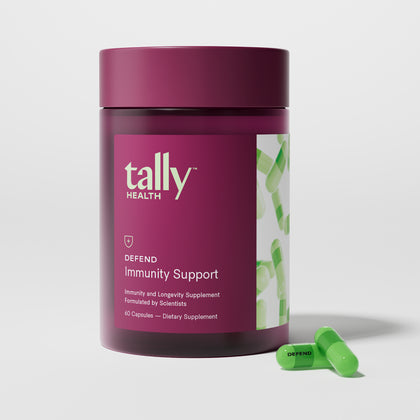
Spring may bring flowers, but it also brings pollen, inflammation, and increased immune system activity. Defend by Tally Health was designed to support healthy immune function while targeting key pathways involved in immune-related aging.
Formulated to help address inflammaging, encourage healthy white blood cell activity, and support immune resilience, Defend helps your body stay ready for whatever the season throws your way.
What causes seasonal allergies?
Seasonal allergies occur when the immune system mistakenly identifies harmless substances like pollen as threats. This triggers an immune response involving histamine and inflammation, which leads to symptoms like sneezing, congestion, and itchy eyes.
What happens during an allergic reaction?
During an allergic reaction, immune cells release histamine and other inflammatory compounds after exposure to allergens like pollen. This causes blood vessels to expand and mucus production to increase, leading to common seasonal allergy symptoms.
Why do seasonal allergies get worse with age?
Seasonal allergies may worsen with age due to changes in immune function, increased inflammation, cumulative environmental exposure, and longer pollen seasons. Lifestyle factors like stress and poor sleep may also contribute.
References
Borish. Allergic rhinitis: systemic inflammation and implications for management. J Allergy Clin Immunol 2003; https://doi.org/10.1016/j.jaci.2003.09.015
Bachert et al. Regulation of proinflammatory cytokines in seasonal allergic rhinitis. Int Arch Allergy Immunol 1999; https://doi.org/10.1159/000024141
Tamm et al.Evidence of fatigue, disordered sleep and peripheral inflammation, but not increased brain TSPO expression, in seasonal allergy: A [11C]PBR28 PET study Brain Behav Immun 2018; https://doi.org/10.1016/j.bbi.2017.10.013
Galli et al. The development of allergic inflammation. Nature 2008; https://doi.org/10.1038/nature07204
Singh et al. Aging and Inflammation. Cold Spring Harb Perspect Med 2024; https://doi.org/10.1101/cshperspect.a041197