Totals exclude applicable state/local taxes. Cart contains recurring purchase. You will be charged $0.00 today. Future recurring charges and billing intervals are shown at checkout. Subscriptions continue until cancelled. Contact Tally Support for additional details.
The Science of Slow: Why Pausing Improves Longevity
Published:
During this time of year, everything seems to speed up—travel, social plans, end-of-year deadlines, and the pressure to show up for everyone and everything. Ironically, this is the time when our bodies and brains benefit most from slowing down. Emerging research across physiology, neuroscience, and longevity science shows that intentional rest and recovery practices don’t just improve how we feel day-to-day—they may also influence long-term health, performance, and even epigenetic aging.
“Slow” isn’t the opposite of productivity. If anything, it’s an essential part of long-term productivity and is part of the recovery phase that makes progress possible. And for those focused on healthy longevity, learning how and when to pause may be one of the most powerful habits you build this season.
Let’s break down the science behind why rest matters—and how slowing down supports a stronger, healthier future.
Why Rest Is Essential for Your Body’s Ability to Repair
Image from Tally Health
Most people think progress happens during the workout, the long workday, or the demanding period of focus. In reality, the body improves during rest and recovery periods, when deep repair and adaptation occur.
Whether the stressor is physical, emotional, or cognitive, pausing gives your systems enough time to reset and heal.
Here’s what happens when you allow your body to slow down:
1. Muscles Repair and Strengthen During Rest
After intense exercise, strength training, or high-volume workouts, micro-tears form in soft tissue. Adequate rest allows:
Muscle repair and rebuilding
Reduction in muscle soreness
Improved blood circulation to tissue
Restoration of glycogen stores
Without this recovery window, your risk of overuse injuries rises and performance gains plateau—a cycle known as overtraining syndrome.
2. Rest Supports the Cardiovascular and Immune Systems
Intentional rest helps regulate the cardiovascular system, lower inflammation, and strengthen the immune system. During slower periods, the body clears waste products like lactic acid, restores energy levels, and undergoes metabolic processes essential for long-term overall wellness.
Research shows that individuals who build consistent recovery practices experience:
Reduced chronic inflammation
More stable energy
A more resilient immune system
Improved physiological function across tissues
3. Rest Improves Mental Well-Being and Nervous System Health
Chronic stress keeps the nervous system in a state of high alert. In winter—when daylight is limited and schedules intensify—this becomes even more noticeable. Slowing down helps rebalance the autonomic nervous system, promoting:
Lower stress hormones
Improved mental health
Better emotional regulation
Enhanced mental well being
A clearer sense of focus and presence
Activities like deep breathing, meditation, quiet walks, journaling, or time with loved ones help shift the body into relaxation mode and support overall well being.
4. Quality Sleep Is a Longevity Superpower
Among all recovery strategies, restorative sleep may be the most impactful. During quality sleep, the body performs essential tasks:
Tissue and muscle repair
Hormone regulation
Memory consolidation
Immune strengthening
Clearing metabolic waste from the brain
Sleep researchers and physical therapists emphasize that restorative sleep is one of the most important components of optimal recovery, directly impacting performance, cognitive function, and mood.
Slow Practices That Support Better Rest and Recovery This Winter
Image from Tally Health
You don’t need a full retreat to slow down. Small shifts in your routine can create meaningful improvements in recovery, inflammation reduction, and long-term health.
1. Add Light Activity or Low-Intensity Exercise
On recovery days, try:
Gentle stretching
Light activity such as walking
Restorative or light yoga
Easy cycling or swimming
These promote blood flow, support tissue repair, and help you recover without adding additional stress to the body.
2. Prioritize Recovery Time After Workouts
Try scheduling rest days immediately after intense training sessions. This helps prevent injury, improve performance, and support a more sustainable training intensity.
3. Focus on Stress Reduction
Incorporate activities that promote relaxation:
Breathwork
Mindfulness before bed
Warm baths
Reading a book instead of scrolling news or social media
Time outdoors
Stress management directly supports the nervous system and encourages rest recovery processes.
4. Support Sleep During Busy Holiday Weeks
Consistency is key. Aim for:
A calming nighttime routine
Limited caffeine later in the day
A cool, dark sleep environment
A regular sleep schedule
Prioritizing sleep helps the body heal, replenish energy, and avoid fatigue accumulation.
5. Integrate Recovery Tools Into Your Routine
Foam rolling, massage balls, and mobility work help relieve tension, improve blood flow, and support active recovery—making future workouts more effective.
How Slowing Down Impacts Longevity
Image from Tally Health
Rest-based practices aren’t only about feeling refreshed—they play a measurable role in long-term health. Consistent recovery supports:
Lower biological stress load
Reduced inflammation, a key factor in many chronic diseases
Improved metabolic resilience
Better cognitive performance
A more balanced hormonal environment
And because longevity is deeply intertwined with habits, routines, and lifestyle choices, slowing down is one of the most accessible ways to support healthier aging.
Tools like the TallyAge Test by Tally Health can help you understand how these lifestyle factors influence your epigenetic aging. The test reveals your epigenetic age through a simple cheek swab and is trained on the largest data set of its kind using a proprietary machine-learning model. Social satisfaction, stress levels, and rest patterns are all lifestyle factors that correlate with TallyAge test results, making “slow” an incredibly relevant piece of the longevity puzzle.
The Bottom Line: Slowing Down Isn’t a Pause on Progress—It Is Progress
Image from Tally Health
During the winter holiday season, embracing the science of slow is more than a mood—it’s a longevity strategy. Recovery is essential for cellular health, emotional balance, performance improvement, and resilience across every system in the body.
By giving yourself space to rest, sleep deeply, and reduce stress, you create the physiological conditions necessary for repair, growth, and long-term vitality.
This season, let “slow” be one of the healthiest choices you make.
Slowing Down Starts With Better Sleep.
Image from Tally Health
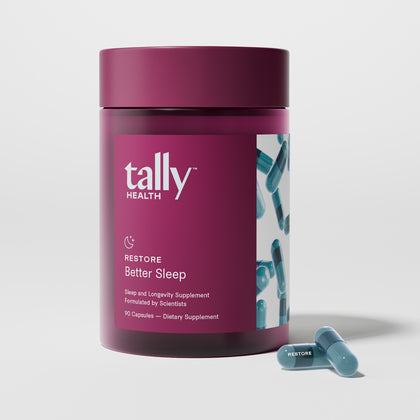
If you’re prioritizing rest this season, start with the kind that matters most: restorative sleep. Restore by Tally Health helps calm nighttime wakefulness and supports deep recovery so you can move through the holidays with more energy and ease.
References
Newport. Slow Productivity: The Lost Art of Accomplishment Without Burnout. Penguin General UK 2024.
Michishita et al. The practice of active rest by workplace units improves personal relationships, mental health, and physical activity among workers J Occup Health 2017; https://doi.org/10.1539/joh.16-0182-oa
Why is rest essential for the body’s ability to repair?
Rest is when the body improves, repairs, and adapts after physical, emotional, or cognitive stress. During rest and recovery, muscles rebuild, inflammation decreases, energy stores are restored, and systems have time to reset and heal.
How does slowing down support mental health and the nervous system?
Slowing down helps rebalance the autonomic nervous system by lowering stress hormones, improving emotional regulation, enhancing mental well-being, and increasing focus and presence. Activities like deep breathing, meditation, journaling, and quiet walks support this relaxation response.
Why is quality sleep important for longevity?
During quality sleep, the body performs critical longevity-related processes, including tissue repair, hormone regulation, memory consolidation, immune strengthening, and clearing metabolic waste from the brain. Restorative sleep directly impacts performance, cognitive function, and mood.
We noticed you have an existing account with Tally. Add products to your existing subscription by going to Manage My Plan within your Account settings.
Want more energy? This supplement is designed to boost metabolism and cellular energy while optimizing mitochondrial function.
What Amplify is made of:
Glycine
1,000mg
Berberine
600mg
Coenzyme Q10
200mg
What Amplify does:
Increases NAD+
Supports healthy metabolism
Boosts muscle recovery
Suggested Use:
Take three capsules daily, with food, to help promote metabolism and energy.
Meet Defend
Defend is designed to promote a healthy, vibrant immune system while simultaneously targeting immune-related aging hallmarks.
What Defend is made of:
Quercetin
500mg
Vitamin C
90mg
Beta-glucan
30mg
Zinc
11mg
Vitamin D3
1000IU
What Defend does:
Reduces inflammaging
Offer protection against acute respiratory infections
Help decrease the duration of respiratory infections
Stimulate the activity of white blood cells, which fight infection and repair normal cell function
Suggested Use:
Take 2 capsules daily with food (including a healthy fat).
Meet NAD+
NAD+ is designed to help elevate NAD+ levels to fuel key cellular functions that support healthy aging.
What NAD+ is made of:
Niacinamide
1000mg
What NAD+ does:
Promotes mitochondrial energy production and metabolism
Helps protect against oxidative stress
Maintains skin health
Supports sirtuin proteins
Suggested Use:
Take 2 capsules daily with food.
Meet Restore
Support healthy aging as you sleep. This supplement will help you fall asleep and stay asleep so you wake up refreshed and recharged.
What Restore is made of:
Magnesium bisglycinate chelate complex
250mg
L-theanine
200mg
Apigenin
50mg
What Restore does:
Enhances sleep quality
Makes it easier to fall asleep
Improves restless leg syndrome
Supports restorative sleep
Promotes relaxation
Helps relieve anxiety
Promotes a positive mood
Suggested Use:
As needed, take three capsules 30-60 minutes before bed.
Meet Sharpen
Sharpen is the key to unlock better memory, clearer thinking, and improved focus as you age. Keep your mind sharper, for longer.
What Sharpen is made of:
Taurine
1000mg
Choline
200mg
Vitamin B6
1.7mg
L-methylfolate
400mcg DFE
Vitamin B12
2.4mcg
What Sharpen does:
Supports long-term cognitive health, brain aging, and overall performance
Lowers a risk factor for dementia by decreasing homocysteine levels
Supports cholinergic signaling, essential for the encoding of memories
Promotes aspects of focus and performance
Suggested Use:
Take 2 capsules daily, with food.
Meet Vitality
Slow aging at a cellular level. This supplement is designed to target all 12 hallmarks of biological aging.
What Vitality is made of:
Calcium Alpha-Ketoglutarate
1,000mg
Quercetin
500mg
Trans-resveratrol
500mg
Fisetin
50mg
Spermidine
900mcg
What Vitality does:
Induces autophagy
Maintains your epigenome
Removes senescent “zombie” cells
Activates sirtuins and repair processes
Suggested Use:
Take four capsules daily, with food (preferably including a healthy fat), to help promote your body's defense against aging.
Membership Benefits
Every six months, we’ll send you a TallyAge™ Test to measure your progress and improve your personalized action plan. Along the way, we’ll send our daily Vitality supplement and help you make powerful changes to unlock deeper health and vitality, for an even better you.
Bi-Annual Testing
Simply swab your cheek and drop the test kit in your mailbox. Our lab team will take care of the rest. Our TallyAge™ metric, developed from the world’s most comprehensive DNA methylation dataset of adult cheek cells, is an indicator of how you're aging on a biological level.
Personalized Recommendations
The results are in. You’ll get accurate insights into your biological health and aging - plus, a personalized action plan that highlights the high impact changes you can make to your lifestyle and daily habits to slow aging. Each recommendation is backed by efficacy data from groundbreaking research. All available, at the touch of a button, through Tally Health’s intuitive digital platform.